Cenderawasih Bay Wreck Diving Trips: WWII Sites
Book a Cenderawasih Bay wreck diving trip: WWII Cross Wreck and Shinwa Maru near Manokwari, depth and cert rules, plus wreck + whale shark combo routes.
Quick Answer
As of 2026, yes — you can book a dedicated Cenderawasih Bay wreck diving trip out of Manokwari, where WWII-era Japanese wrecks such as the Cross Wreck and the Shinwa Maru rest at recreational depths in Doreri Bay. Trips run in three bookable formats: land-based day diving from Manokwari, multi-day wreck packages, and liveaboard routes that pair the wrecks with the famous Kwatisore whale sharks deeper inside the bay. Our trip desk confirms vessel availability, matches the format to your certification level, and arranges Teluk Cenderawasih National Park paperwork end to end.
At a glance
- Cross Wreck
Open Water
Japanese patrol vessel, largely intact
- Shinwa Maru
Open Water (upper decks); Advanced for deeper sections
Japanese cargo steamer, holds with wartime cargo
- Secondary sites
Briefed on the day, conditions permitting
Smaller wartime relics and debris fields
Section 01
What Wreck Diving Trip Formats Can You Book?
Manokwari sits at the northeastern gateway to Cenderawasih Bay, and its harbor wrecks are close enough to shore that every trip style works — from a single morning of diving to a ten-day expedition. We arrange four formats:
Land-based day trips (1 day):
a two-tank morning on the Doreri Bay wrecks with a local dive operator, back in town by early afternoon. Ideal if Manokwari is a stopover on a longer Papua itinerary.
Manokwari wreck packages (3–4 days):
repeat dives on both principal wrecks plus reef and critter sites around Doreri Bay, hotel-based, with flexible daily scheduling around weather and harbor traffic.
Wreck + whale shark liveaboard (7–10 days):
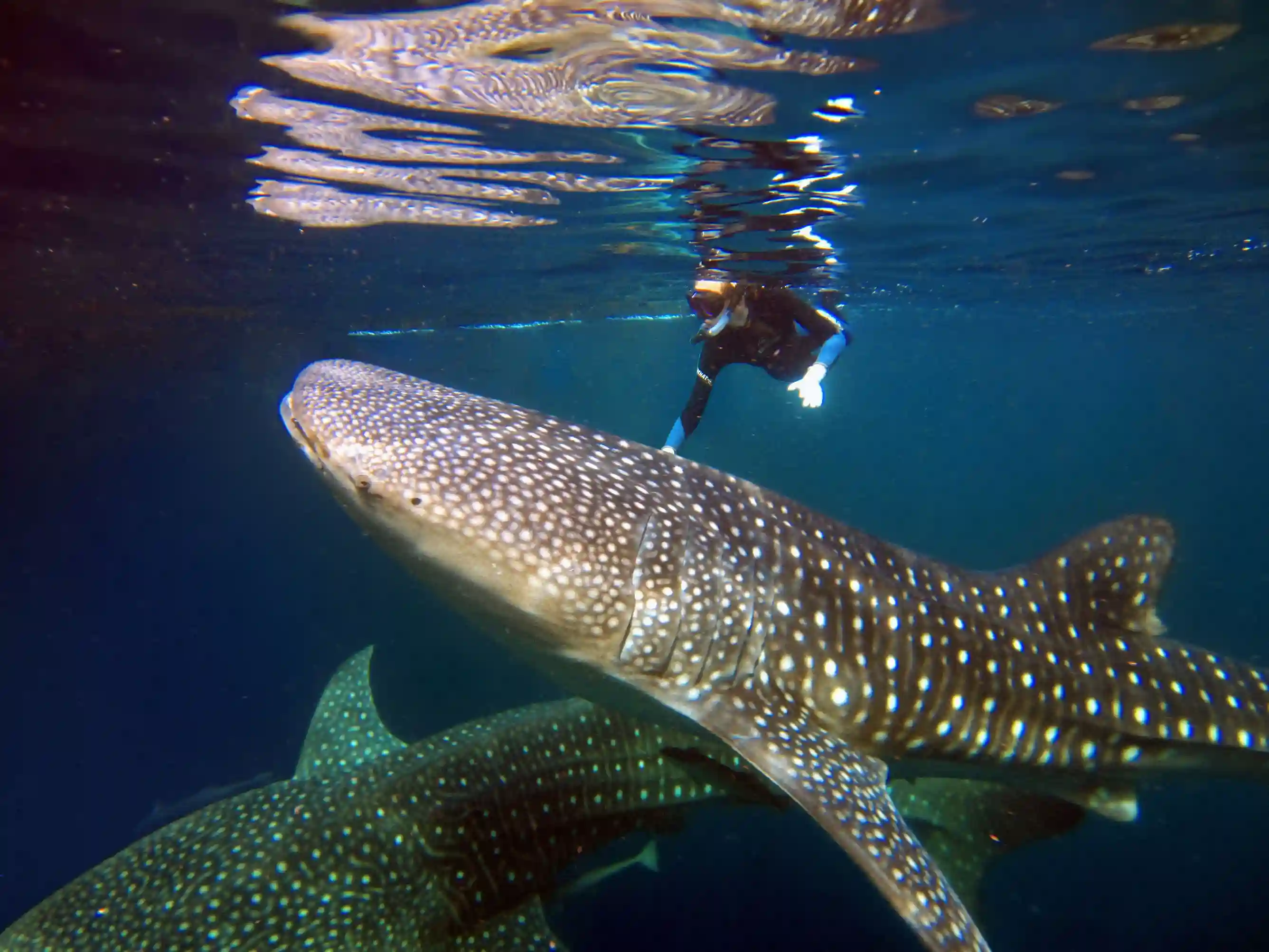
embark in Manokwari, dive the WWII sites first, then cruise southwest into the national park to finish at the Kwatisore bagan platforms — the same route logic as our whale shark liveaboard trips, with wreck days added at the front.
Private charter and photography groups:
full-boat charters with dedicated wreck time, generous surface intervals for wide-angle setups, and repeat dives on the same site until the shot is done.
Section 02
What Depth and Certification Do You Need?
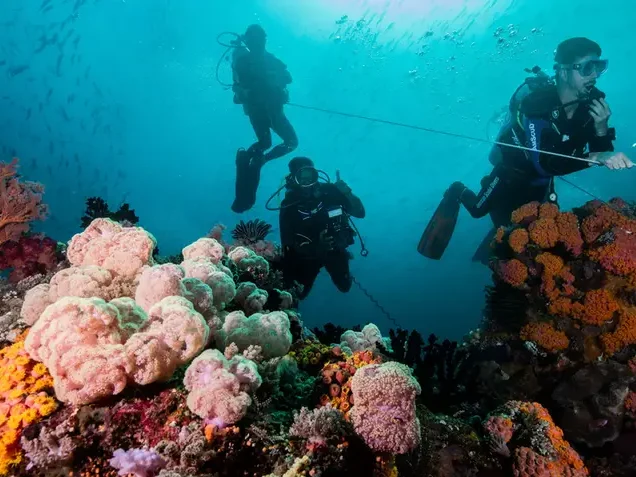
Open Water (18 m):
sufficient for the Cross Wreck and the upper structure of the Shinwa Maru.
Advanced Open Water (30 m):
recommended for the Shinwa Maru’s deeper holds and stern sections.
Wreck specialty:
required for any overhead penetration. Without it, all dives remain exterior and within natural light zones — non-negotiable on our bookings.
Experience:
we recommend 20+ logged dives and at least one dive within the past 12 months; a refresher can be arranged on arrival.
Profiles:
all diving is no-decompression recreational; nitrox is available on most liveaboards and useful on repeat Shinwa Maru dives.
How Does the Wreck + Whale Shark Combo Route Work?
The combo is the format most divers ultimately choose, because it turns two flights’ worth of logistics into one continuous trip. A typical 7-day pattern: embark Manokwari with a check dive, spend days two and three on the Doreri Bay wrecks, then cruise southwest through the national park with reef stops en route, and finish with one to two full days snorkeling or diving with whale sharks at the Kwatisore bagans before disembarking in Nabire for your flight out.
Ten-day versions add more reef days and a second wreck rotation. For what the whale shark encounter itself involves — bagan etiquette, in-water rules, seasonality — see our Cenderawasih Bay whale shark guide.
Section 04
How Do You Book a Cenderawasih Bay Wreck Diving Trip?
Send your dates and level.
WhatsApp us your travel window, certification level, logged dives, and preferred format (day trip, package, or liveaboard combo).
Receive route and vessel options.
We confirm operator and cabin availability, then send a written itinerary with inclusions clearly listed.
Confirm with a deposit.
Balance terms follow the operator’s schedule and are stated upfront in writing.
Pre-trip handling.
We arrange national park permits, share a packing and insurance checklist (dive insurance is required), and brief you on Manokwari and Nabire flight logistics. First time in Papua? Read our practical notes on visiting Cenderawasih Bay safely.
Section 05
What Does a Wreck Diving Trip Cost?
Pricing disclaimer: all figures are indicative as of 2026 and vary by vessel class, season, group size, and fuel costs. National park and port fees may be billed separately depending on the operator. We confirm an exact written quote before any deposit is taken.
The Ledger
Which WWII Wrecks Do the Trips Cover?
The core of every itinerary is the pair of Japanese wrecks in Doreri Bay, both diveable year-round in sheltered water a short boat ride from Manokwari harbor. If you want the historical background site by site, our companion article on the region’s wreck diving sites covers the survey detail; this page focuses on how to actually dive them.
| Wreck | Type | Typical depth | Minimum certification |
|---|---|---|---|
| Cross Wreck | Japanese patrol vessel, largely intact | Approx. 10–20 m | Open Water |
| Shinwa Maru | Japanese cargo steamer, holds with wartime cargo | Approx. 16–34 m | Open Water (upper decks); Advanced for deeper sections |
| Secondary sites | Smaller wartime relics and debris fields | Recreational depths | Briefed on the day, conditions permitting |
Visibility in Doreri Bay varies with tide and rainfall — often moderate rather than gin-clear — which is exactly why photographers treat these wrecks as atmospheric, history-first dives rather than reef postcards. Guides brief each site on the day based on current, traffic, and light.
Field Plates
From the bay
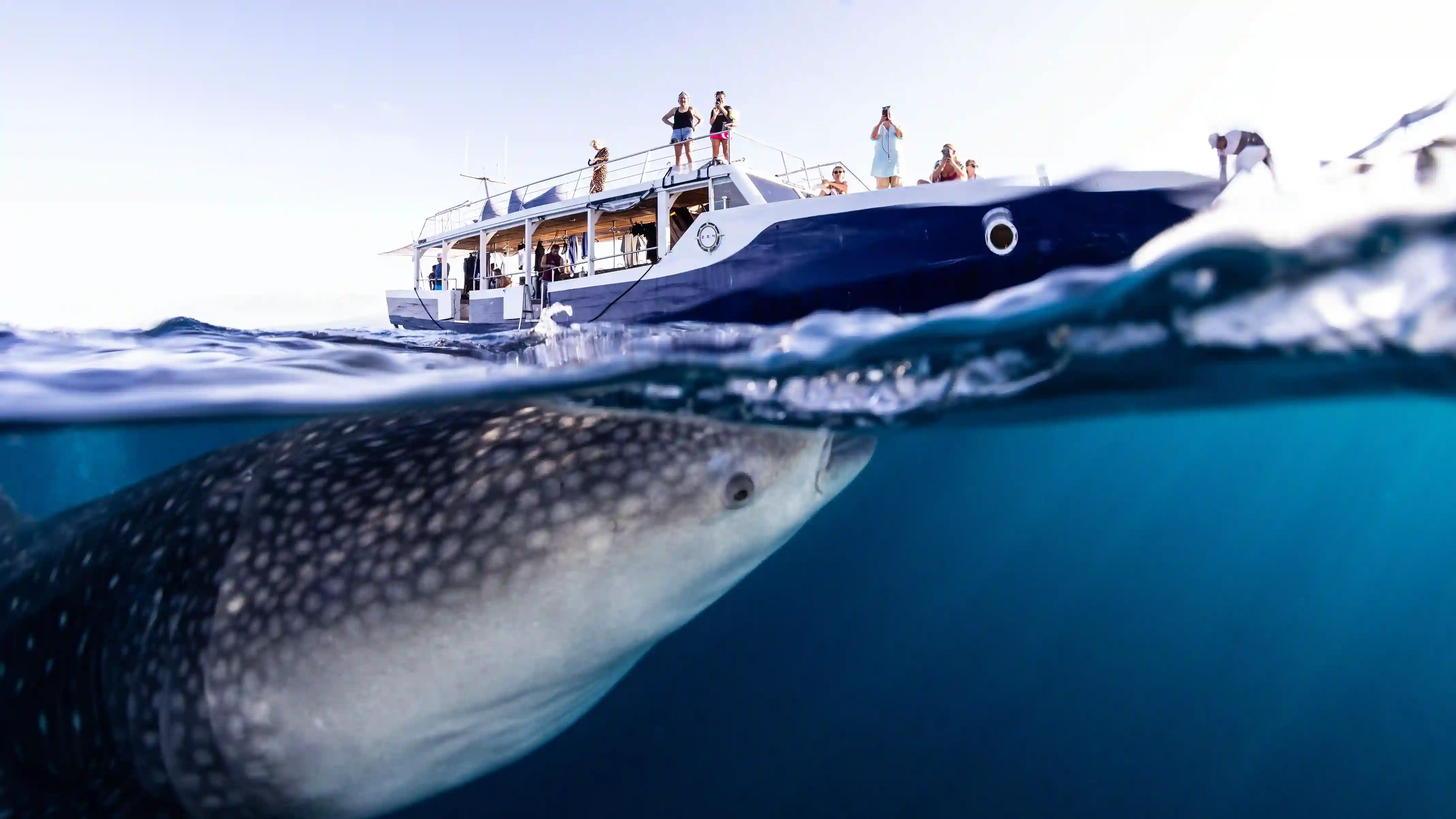
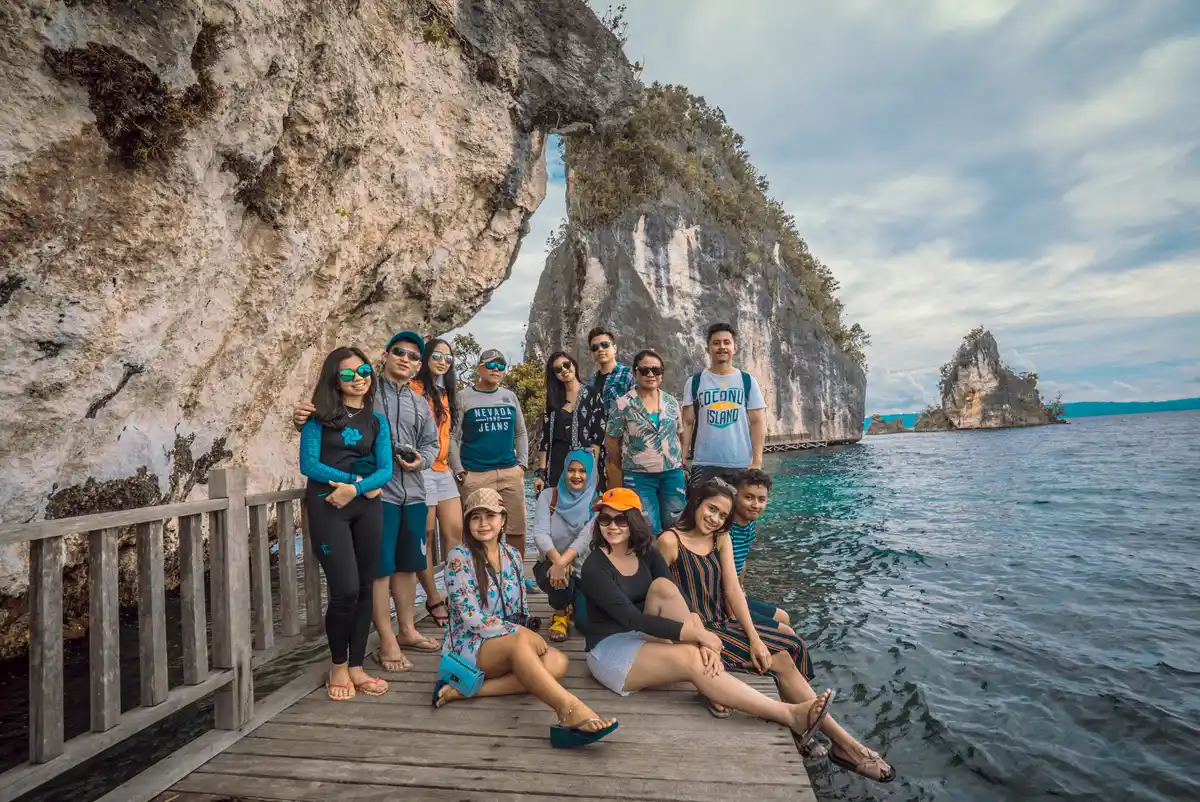
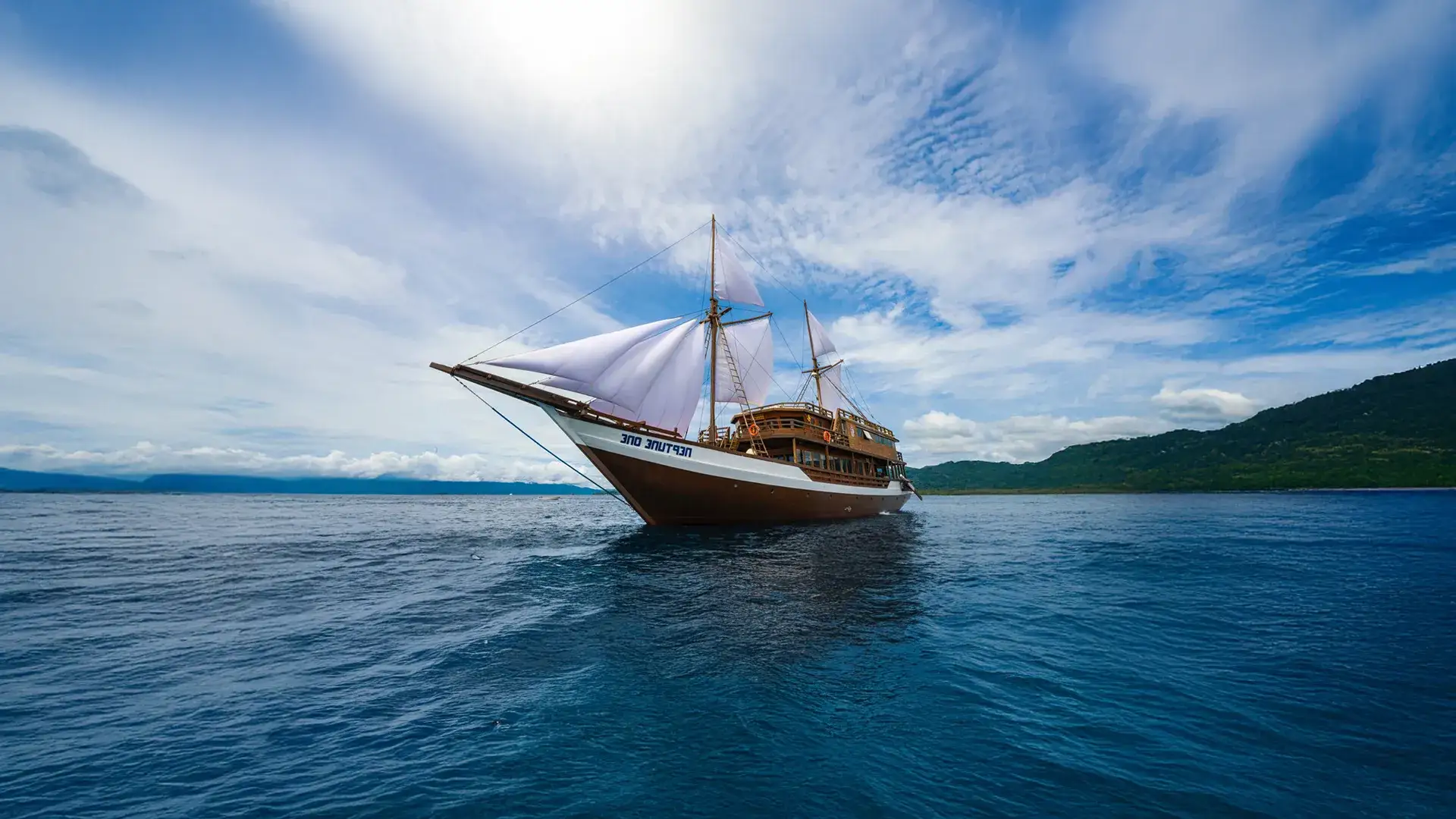
Photographs from the Kwatisore watch — the platforms, the approach and the boats that work them.
Good to Know
Frequently Asked Questions
01Can Open Water divers join the wreck trips?
Yes. The Cross Wreck and the upper Shinwa Maru sit within Open Water limits. Advanced certification only becomes relevant for the Shinwa Maru’s deeper sections, and a guide can structure the itinerary so mixed-level groups dive together.
02When is the best time to dive the Manokwari wrecks?
Doreri Bay is sheltered and diveable year-round. Most liveaboard combo departures cluster from roughly June to October, when vessels position in Cenderawasih Bay, so book those months earliest; land-based day trips are flexible across the calendar.
03Is wreck penetration allowed?
Only for divers holding a wreck specialty certification, and only where the guide judges the section stable on the day. Everyone else dives exteriors and open cargo holds within the light zone — the majority of the historical interest is visible without penetration.
04Can I combine the wrecks with Raja Ampat?
Yes — some crossing itineraries link Cenderawasih Bay with Raja Ampat in a single longer voyage. Tell us your total days and we will advise whether a combo crossing or two separate trips serves you better.