
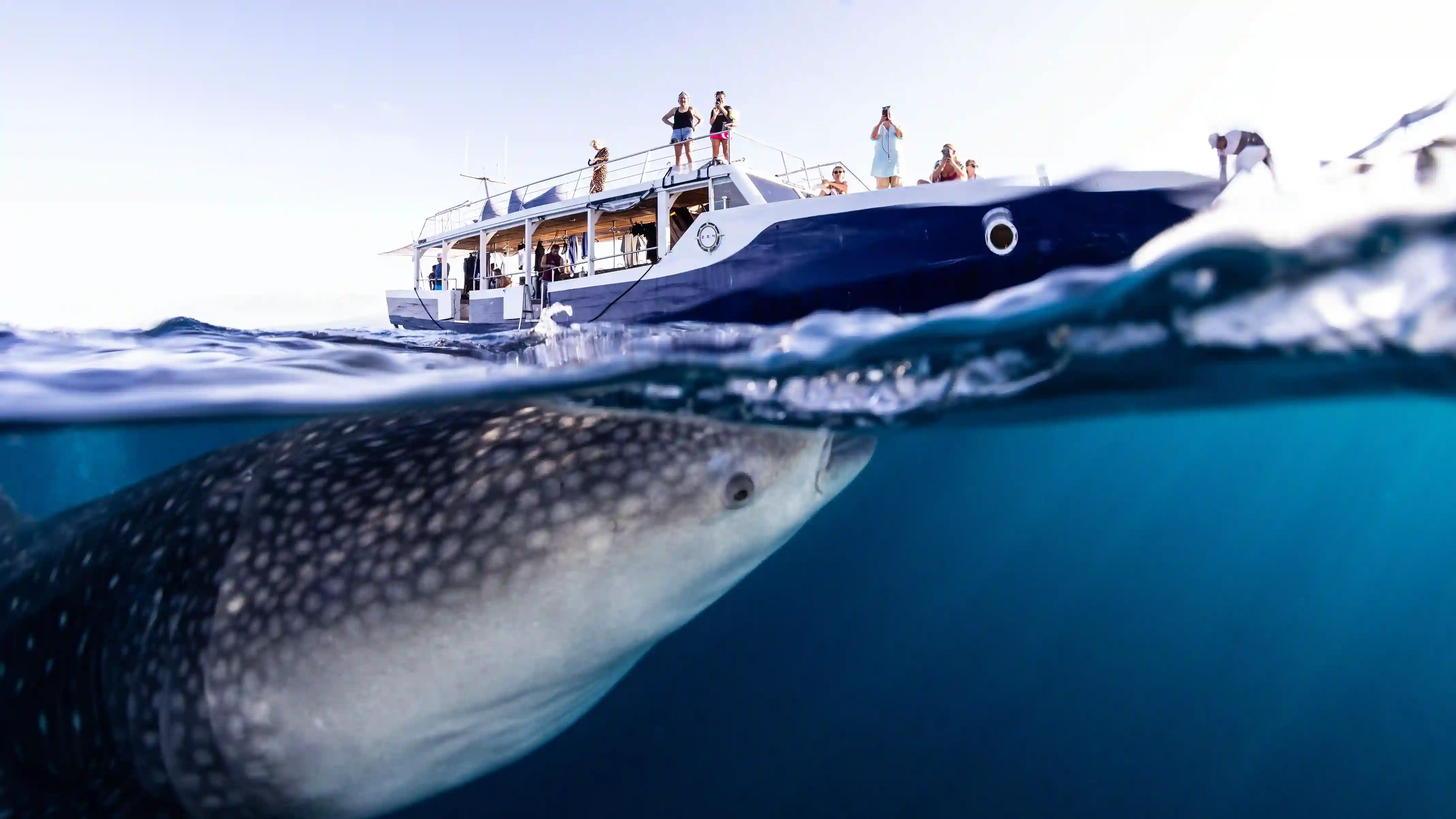
Cenderawasih Bay Photography Expedition | Book 2026
Bookable Cenderawasih Bay photography expedition: extended whale shark bagan sessions, small guide ratios, camera-room specs, pro workshops. Plan via WhatsApp.
Quick Answer
A Cenderawasih Bay photography expedition is a purpose-built liveaboard or land-based trip designed around one goal: giving photographers the longest possible working time with the whale sharks of Kwatisore and the reefs of Teluk Cenderawasih National Park. Instead of the standard two-dive rotation, we structure extended bagan sessions in the best morning light, cap group sizes so nobody fights for a frame, and plan the itinerary around a shot list agreed before departure. As of 2026, Cenderawasih Bay remains one of the very few places on earth where whale sharks can be photographed at close range on a near year-round basis, which is why dedicated photo expeditions here consistently outperform general dive trips for image results.
At a glance
- Liveaboard photography expedition
3,500 – 6,500 per person
7 nights
- Extended liveaboard expedition
5,000 – 9,000 per person
10 nights
- Land-based Nabire photo package
1,800 – 3,200 per person
5 days
- Private full-vessel photo charter
Quoted per vessel and route
Per itinerary
Section 01
What Makes This a Photography Expedition, Not Just a Dive Trip?
The difference is time, ratios, and planning. A conventional liveaboard schedule treats the Kwatisore bagans as one stop among many. A photography expedition inverts that: the bagans become the anchor of the itinerary, and everything else is built around light and conditions.
Extended bagan time.
We negotiate longer in-water windows at the fishing platforms where whale sharks aggregate, prioritising the early-morning sessions when the animals feed closest to the surface and the light is soft and directional. On multi-day itineraries you can return to the bagans on consecutive mornings, so a missed shot on day one is not a missed shot for the trip.
Small guest-to-guide ratios.
Photo groups are briefed and managed at roughly one guide per four to six photographers, with in-water positioning etiquette agreed in advance so wide-angle shooters, split-shot shooters, and video shooters are not working over each other.
Camera-room standards.
When we match you to a vessel, we specify the camera facilities in writing before you commit: dedicated rinse tanks separated from general gear, padded work tables, charging stations near the workspace, and air for drying housings. Facilities vary by boat, so we confirm exactly what your chosen vessel carries rather than promising a generic spec.
Pro-led workshops.
Departures can be arranged with a professional underwater photographer leading nightly image reviews, lighting and strobe-position sessions, and editing walk-throughs. Pro-led departures are scheduled per group, so tell us early if this matters to you.
Shot-list planning.
Before departure we work through your target images — whale shark and bagan silhouettes, over-under splits at sunrise, diver-for-scale frames, reef and wreck wide-angles — and shape daily timing around them.
Section 02
What Will You Photograph in Cenderawasih Bay?
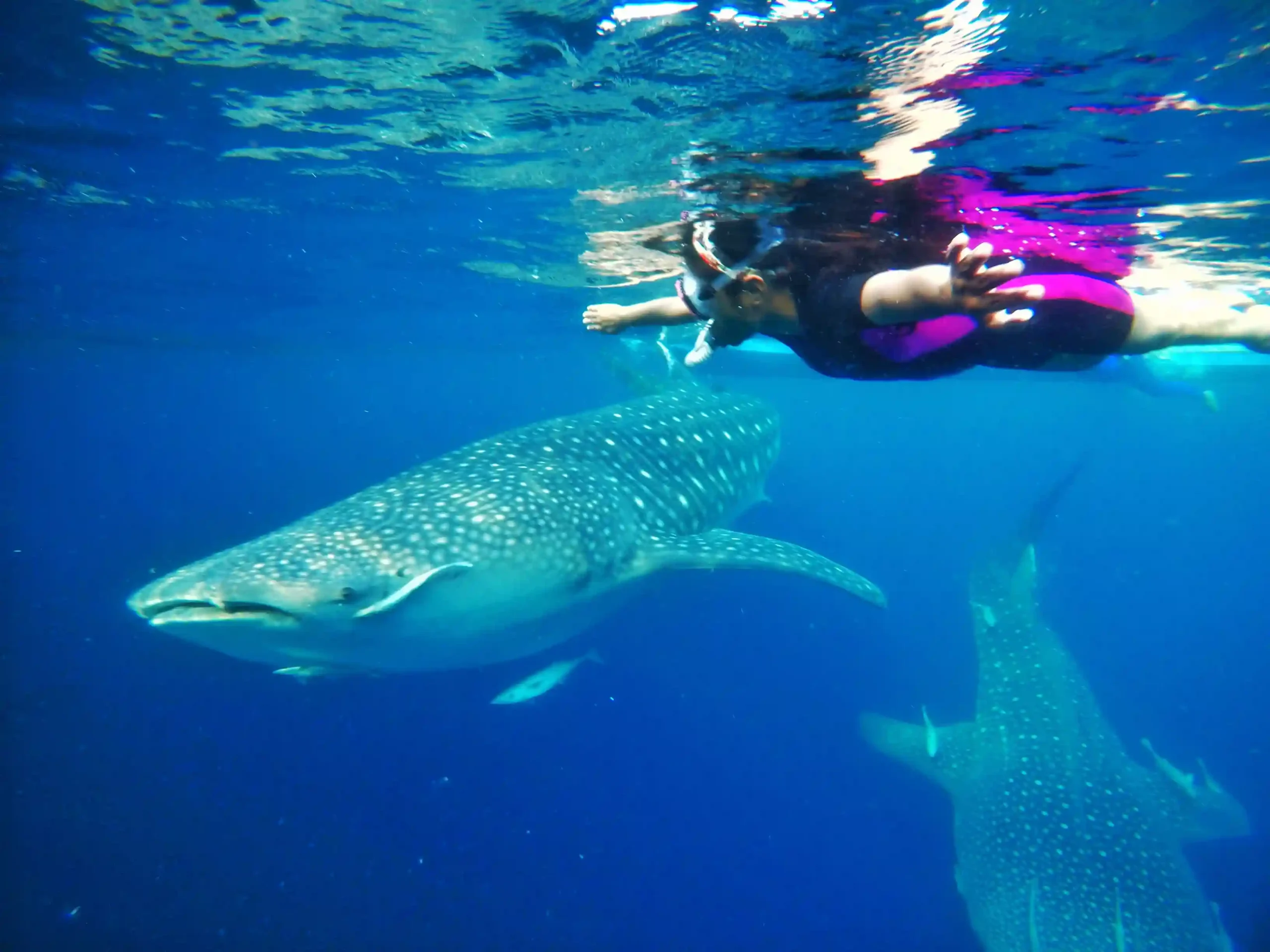
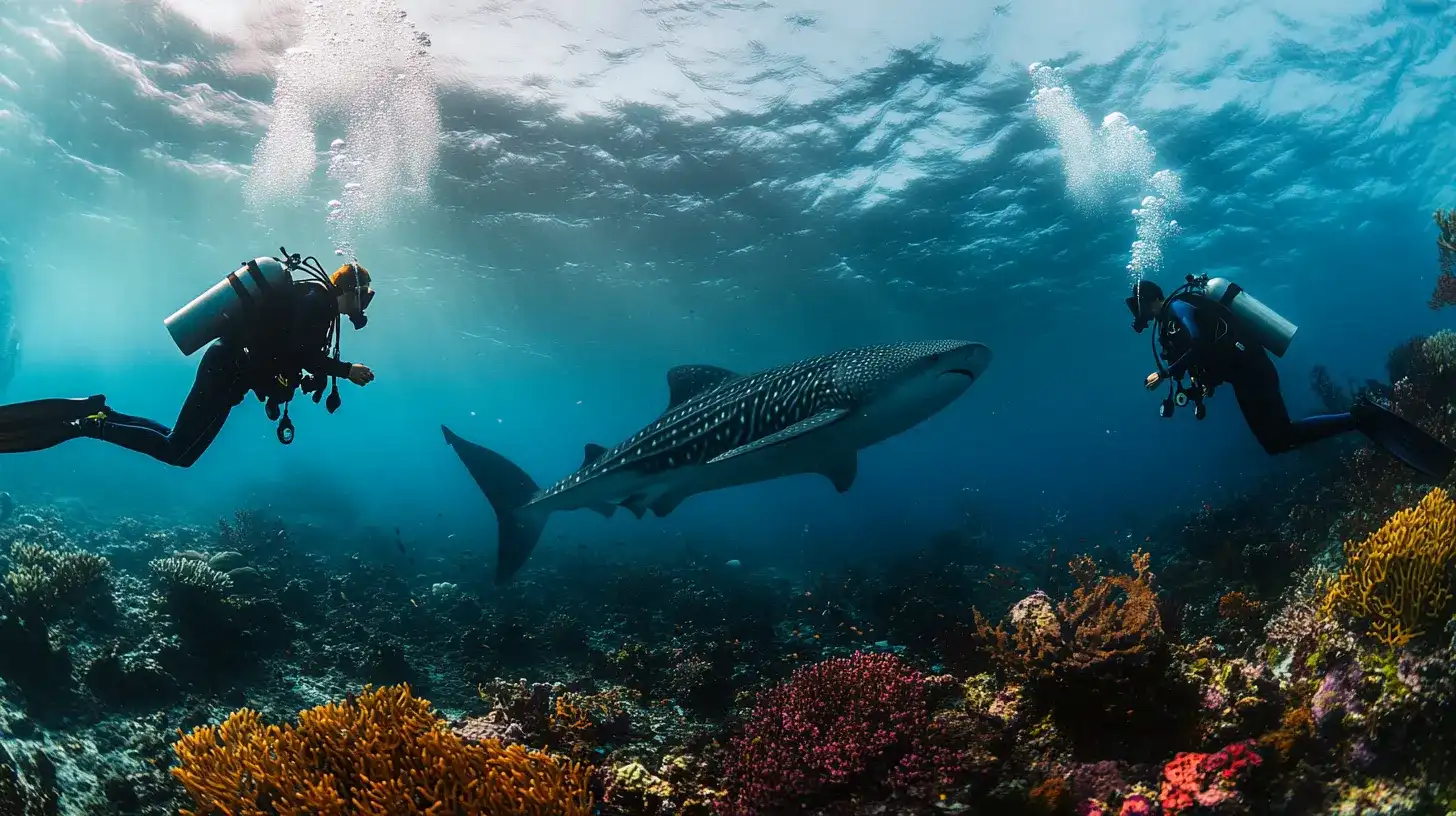
The whale sharks are the headline, and they behave here unlike almost anywhere else: they rise vertically under the bagan nets to suction leftover baitfish, holding position long enough for composed, deliberate frames rather than fly-by grabs. Beyond the sharks, the bay offers hard-coral gardens that escaped major bleaching events, WWII-era wrecks in photographable depths, and topside scenes — stilted fishing platforms at dawn, forested karst coastline — that round out a portfolio.
Interactions follow national park rules as of 2026: no touching, no flash directly into the eye at close range, and minimum distances that your guides enforce for the animals’ benefit and yours.
Most photography groups run this as a liveaboard so the boat sleeps beside the bagans; see our Cenderawasih Bay whale shark liveaboard trips for the standard non-photo-specialist format. If you prefer shore nights and day boats, our land-based Nabire whale shark packages can be adapted with the same extended-session structure on a smaller budget.
How Does Booking Work?
The process is deliberately consultative, because matching a photographer to the wrong boat wastes an expensive trip.
Brief us.
Message us on WhatsApp with your preferred dates, group size, camera systems, and the images you want to come home with.
Receive matched options.
Within a working day or two we send vessel or land-based options with written confirmation of camera facilities, group size caps, bagan-session structure, and whether a pro workshop leader is available for your dates.
Confirm and plan.
Once you choose, we hold the space, handle national park permits and Nabire logistics, and build your shot-list plan with the cruise director.
Travel.
Access is via Nabire airport, reached from Jakarta with a connection through Makassar or Biak; we advise on flights and buffer days as part of the booking.
Photographers who want the bay entirely on their own schedule can take a whole vessel through our private charter desk, and those combining destinations should look at the Cenderawasih Bay and Raja Ampat combo route, which pairs the whale sharks with Raja Ampat’s reefscapes in a single crossing.
The Ledger
How Much Does a Cenderawasih Bay Photography Expedition Cost?
Pricing depends on vessel class, cabin category, season, and whether a professional workshop leader joins the departure. The figures below are indicative as of 2026, quoted per person unless noted, and exclude international flights; national park and camera fees are itemised in every quote we send. Treat them as planning ranges, not fixed rates — we confirm exact pricing in writing before you commit.
| Format | Typical duration | Indicative range (USD) |
|---|---|---|
| Liveaboard photography expedition | 7 nights | 3,500 – 6,500 per person |
| Extended liveaboard expedition | 10 nights | 5,000 – 9,000 per person |
| Land-based Nabire photo package | 5 days | 1,800 – 3,200 per person |
| Private full-vessel photo charter | Per itinerary | Quoted per vessel and route |
Field Plates
From the bay
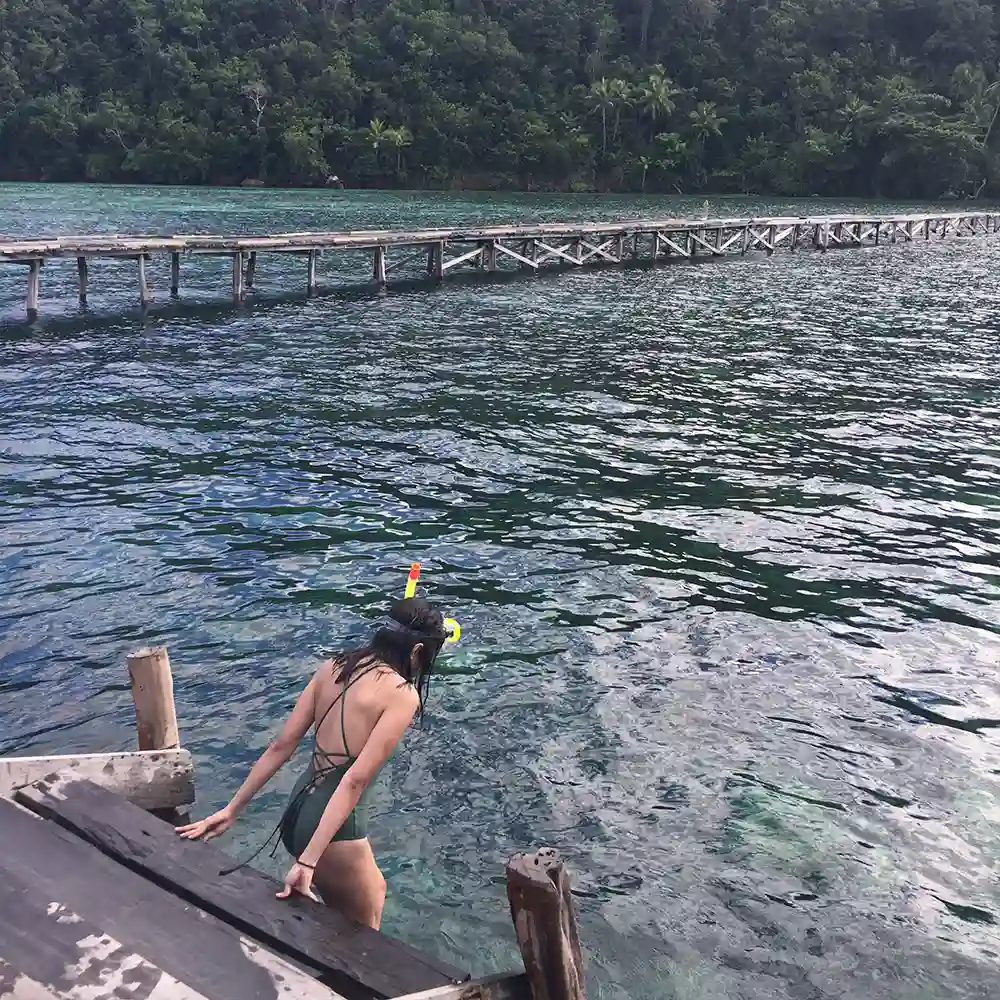
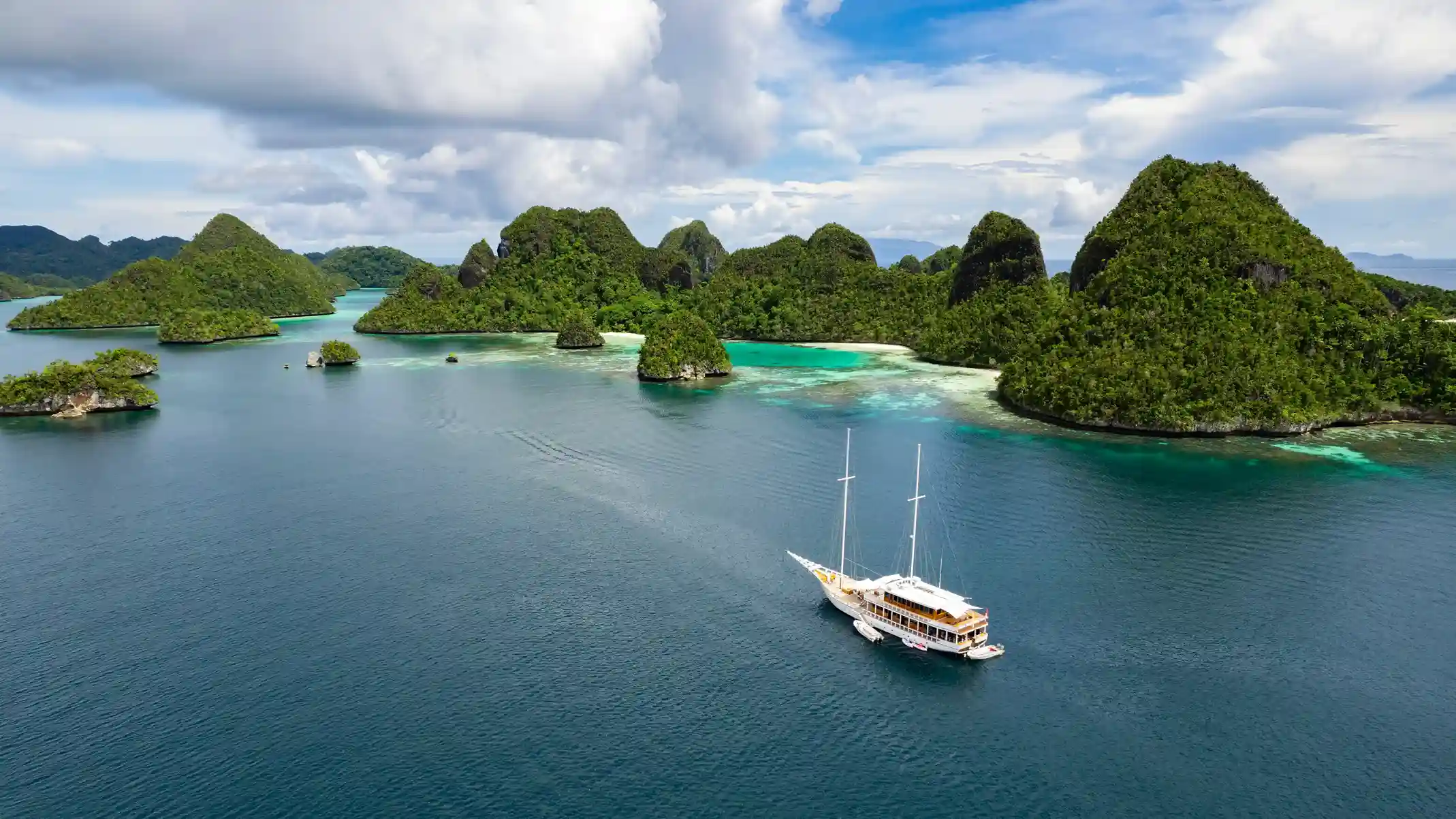
Photographs from the Kwatisore watch — the platforms, the approach and the boats that work them.
Good to Know
Frequently Asked Questions
01When is the best time for whale shark photography in Cenderawasih Bay?
Whale sharks are encountered at the Kwatisore bagans on a near year-round basis, which is the bay’s defining advantage. Sea conditions are generally calmest from roughly May through October, and early mornings deliver the best combination of feeding behaviour and soft light in any month. We advise on timing against your specific shot list.
02Do I need to be a certified diver to join?
No. Much of the strongest whale shark imagery here is shot on snorkel or freedive within the top few metres, where the animals feed. Certified divers gain the reefs and wrecks; mixed snorkel-and-dive groups are normal on photo departures and are managed with separate in-water briefings.
03Can you guarantee whale shark encounters?
No honest operator can guarantee wildlife. What we can do is stack the odds: multi-morning bagan access, itineraries with built-in weather flexibility, and guides in daily contact with the bagan fishermen. Encounter reliability at Kwatisore is among the highest of any whale shark site as of 2026, which is exactly why photographers come.
04What camera gear should I bring?
A wide-angle setup is essential — fisheye or wide rectilinear behind a dome port — because the subjects are large and close. Strobes are useful for reef work but often unnecessary at the surface with the sharks. Bring duplicate O-rings, batteries, and memory; Nabire has no reliable camera-equipment supply, and we send a full packing brief at confirmation.