Cenderawasih Bay Freedive Expedition | Kwatisore Bagans
Coach-led Cenderawasih Bay freedive expedition: dedicated boat time at the Kwatisore whale shark bagans, buddy protocols, 5-10 day options. As of 2026.
Quick Answer
A Cenderawasih Bay freedive expedition is a breath-hold-dedicated charter to the whale shark bagans of Kwatisore, West Papua: freedive-first boat scheduling, coach-led water sessions, and strict buddy protocols built around calm encounters with animals that commonly reach 6 to 8 metres. As of 2026, we run these expeditions in both liveaboard and land-based Nabire formats, with 5, 7, and 10-day programs, arranged through one trip desk on WhatsApp at +62 811-3823-875.
This page covers what a freedive-specific program looks like, how coaching and safety work around very large animals, how booking runs step by step, and what an honest budget range looks like before you commit.
At a glance
- Land-based Nabire freedive program
USD 1,800 – 2,600
5 days
- Freedive liveaboard expedition
USD 3,000 – 4,500
7 days
- Private charter, full-boat freedive group
By quotation
10 days
Section 01
Why Freedive With Whale Sharks in Cenderawasih Bay?
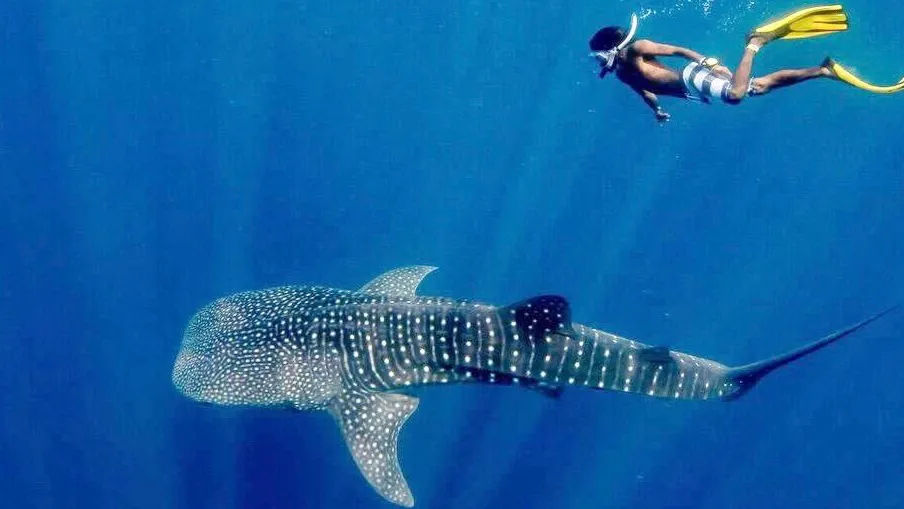
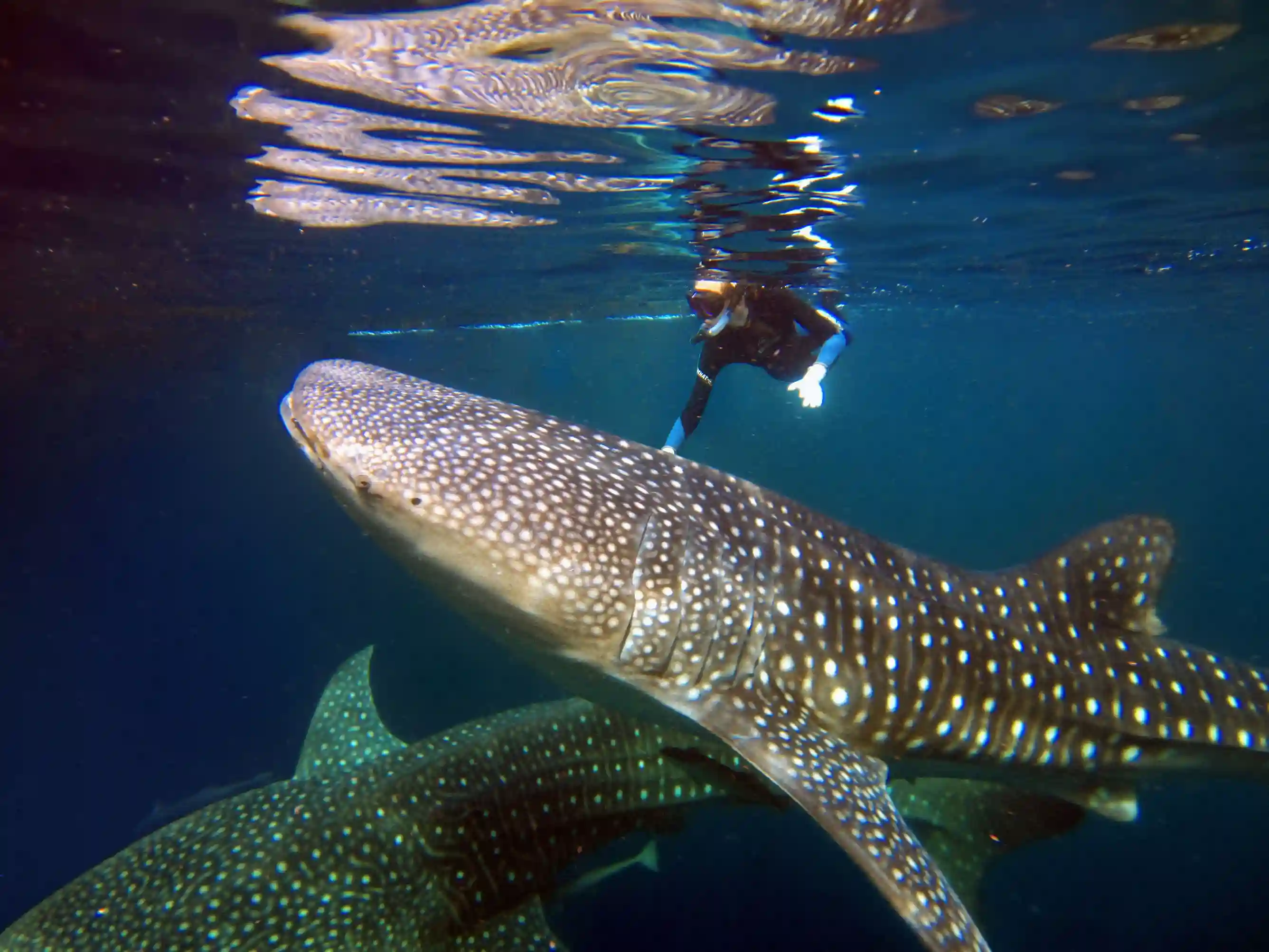
Cenderawasih Bay is one of the few places in the world where whale sharks aggregate around bagans — lift-net fishing platforms — rather than passing through on migration. The animals visit the platforms near Kwatisore to feed near the surface, which means encounters are close, repeatable, and unhurried. For a breath-hold athlete this is close to ideal: you are not chasing a shark across open ocean, you are sharing a defined patch of calm, protected water with animals that stay in the area for extended periods.
The bay itself helps. Inside the gulf, sea state is typically gentle and the surface around the bagans behaves more like a training pool than open ocean. Water is warm year-round, so long sessions in thin suits are realistic. On breath-hold you approach quietly, without bubbles, and the difference in animal behaviour compared to scuba is obvious within the first session.
If you want the broader destination picture first, start with our Cenderawasih Bay whale shark guide, then come back here for the freedive-specific program.
Section 02
What the Expedition Includes
Most whale shark trips treat freedivers as snorkelers who happen to dive down. This program is built the other way around. As of 2026 the expedition format includes:
Freedive-dedicated boat time.
Bagan sessions are scheduled for breath-hold groups only — no shared water time with a scuba rotation, no compressor noise dictating your schedule.
Coach-led sessions.
Every in-water session runs under a dedicated freedive coach: surface briefing, breathe-up supervision, and structured rotations so nobody dives tired or unwatched.
Two water blocks per day.
A long morning block at the bagans when feeding activity is typically strongest, plus an afternoon block for either a second encounter session or dedicated line work off the boat for depth and technique.
Buddy protocols as standard.
One-up-one-down diving, agreed hand signals, and a designated surface supervisor for every rotation. This is non-negotiable on our boats.
Photography support.
Camera rinse, surface handling, and positioning guidance. Serious shooters should look at the dedicated Cenderawasih Bay photography expedition, which extends bagan time further.
Logistics handled end to end.
Nabire airport transfers, national park entry arrangements, crew, meals, and the bagan visit coordination that makes the encounters possible.
Section 03
How Do Coaching and Safety Work Around 8-Metre Animals?
Whale sharks are filter feeders and pose no predatory threat, but an 8-metre animal moving near the surface deserves professional protocols. Our briefings, delivered before the first session and reinforced daily, cover:
Distance discipline.
We brief a working rule of roughly three metres from the animal’s body and four metres from the tail, and no touching under any circumstances. The tail of a large whale shark carries real force, and respecting the animal keeps the aggregation healthy for everyone.
No diving directly beneath a feeding animal.
Sharks feeding at a bagan net can descend suddenly. Approaches are made from the side, on the coach’s line of sight.
Small groups per session.
We cap the number of divers in the water at each bagan rotation so the coach can genuinely watch every diver and the animals are never crowded.
Conservative recovery intervals.
Excitement is the biggest hidden risk in big-animal freediving. The coach enforces surface intervals and will pull the session before fatigue does.
No certification is required to join, but the program is calibrated to your level. Certified freedivers get depth-oriented line sessions; strong snorkelers get technique coaching that usually transforms their diving within a few days.
How Do You Book a Freedive Expedition?
The process is deliberately simple and runs through one desk:
Send your dates and level.
WhatsApp +62 811-3823-875 with your travel window, group size, and freedive experience or certification.
Choose your format.
We recommend liveaboard or land-based Nabire depending on budget, sea time preference, and dates. Compare the whale shark liveaboard program with the land-based Nabire packages if you want to read ahead.
Hold an itinerary.
We confirm vessel or lodge availability and hold your slot while you arrange flights to Nabire.
Confirm in writing.
Deposit and payment terms are stated clearly in writing before any money moves — no surprises on arrival.
Receive your briefing pack.
Packing list, breath-hold preparation notes, and arrival logistics land in your inbox before departure.
The Ledger
What Does a Freedive Expedition Cost?
Pricing depends on vessel class, season, group size, and program length. As of 2026, these are realistic planning ranges per person:
| Program | Duration | Indicative range (per person) |
|---|---|---|
| Land-based Nabire freedive program | 5 days | USD 1,800 – 2,600 |
| Freedive liveaboard expedition | 7 days | USD 3,000 – 4,500 |
| Private charter, full-boat freedive group | 10 days | By quotation |
Disclaimer: these figures are indicative only, not fixed offers. National park fees, flight costs to Nabire, and seasonal vessel pricing vary, and final rates are confirmed in a written quotation before booking. Coaching is included in the expedition price; private one-on-one coaching can be added on request.
Field Plates
From the bay
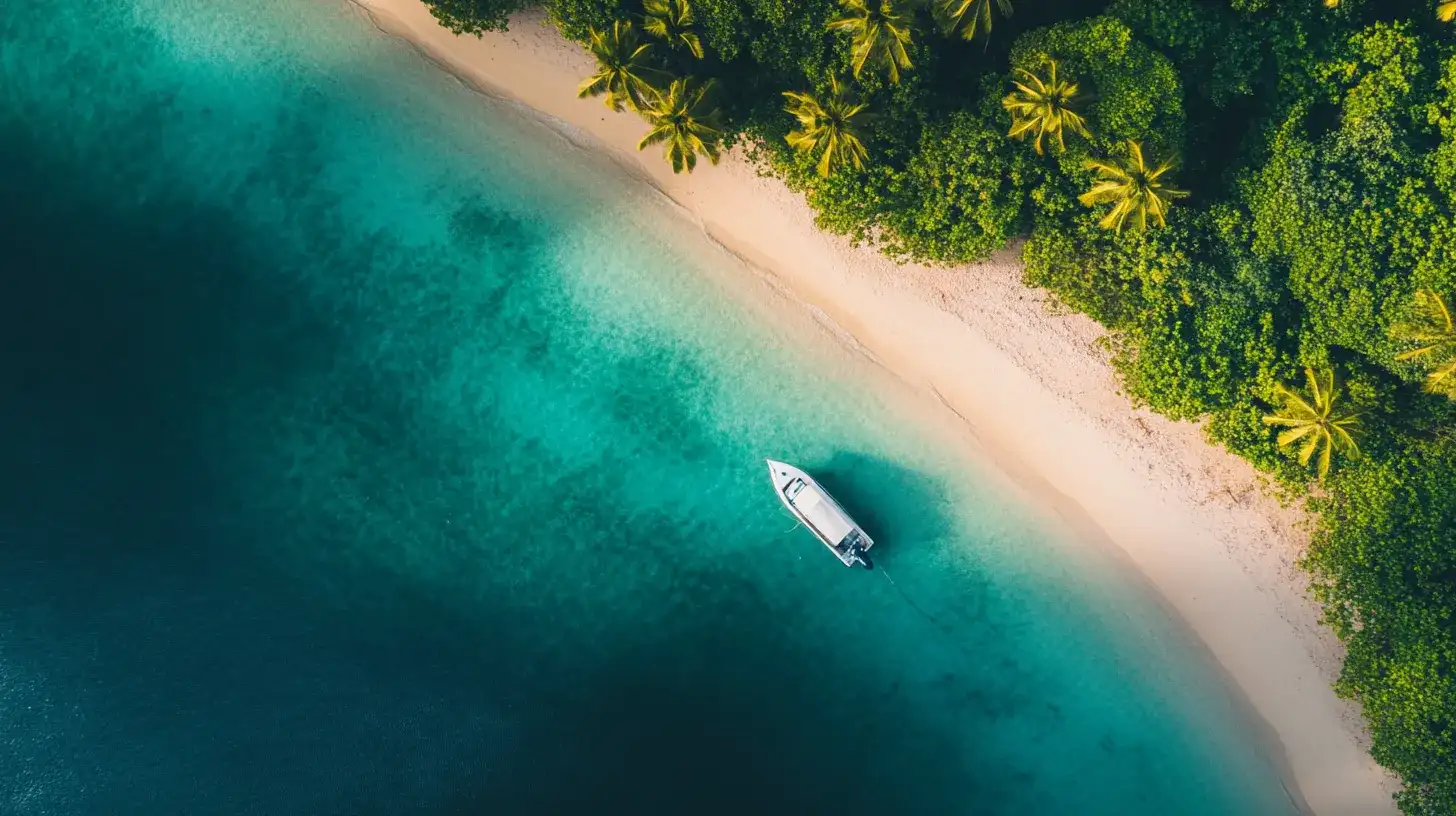
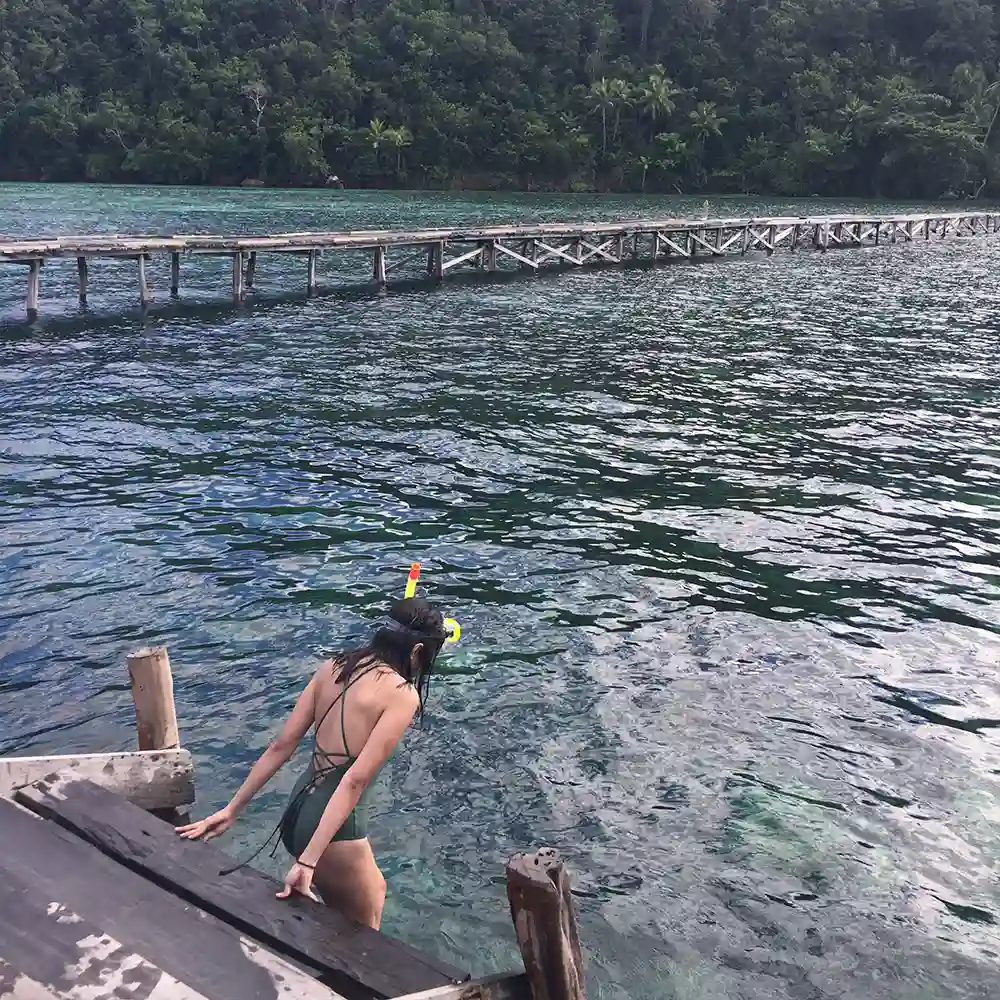
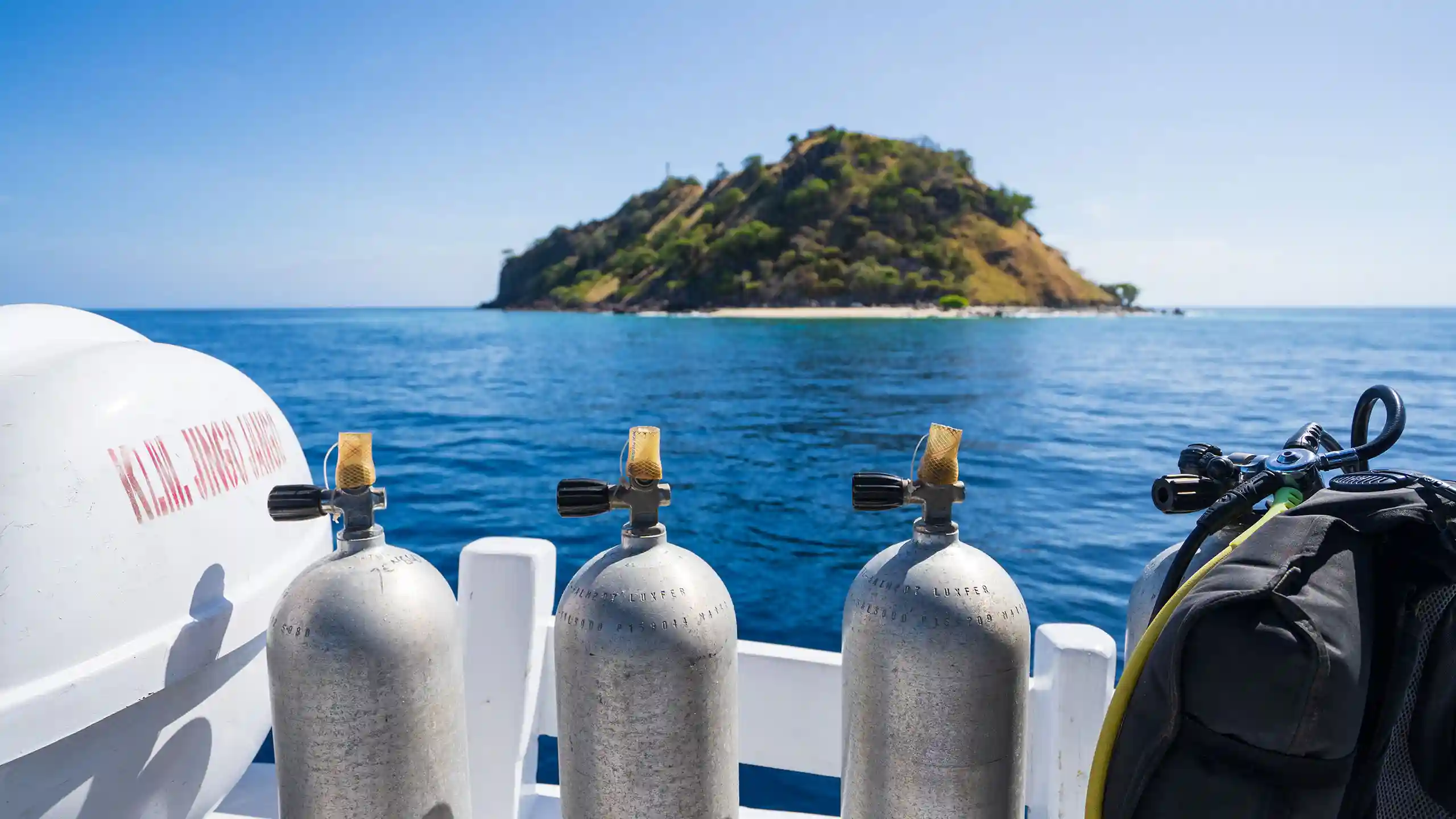
Photographs from the Kwatisore watch — the platforms, the approach and the boats that work them.
Good to Know
Frequently Asked Questions
01Do I need a freediving certification to join?
No. You need to be a confident swimmer who is comfortable in open water with mask and fins. The coach adapts sessions to your level, and most bagan encounters happen in the top 10 metres. Certified freedivers get additional structured depth work on the line.
02When is the best time for this expedition?
Whale sharks are present around the Kwatisore bagans throughout the year, which is precisely what makes Cenderawasih Bay unusual. Rather than promising a magic month, we track bagan activity through our local network and steer your dates toward the most active platforms at the time of travel.
03How deep do the sessions go?
Encounter sessions at the bagans are mostly surface to 15 metres — the animals feed high in the water column. Dedicated line sessions off the boat can go deeper for certified divers, always one-up-one-down under coach supervision.
04Can I combine this with scuba diving or Raja Ampat?
Yes. Mixed-discipline itineraries are common, and a combo routing that adds Raja Ampat after Cenderawasih Bay works well on longer liveaboard schedules. Tell the desk what you have in mind and we will build the route around it.