
Cenderawasihbay vs Alternatives Comparison
Cenderawasihbay vs Alternatives Comparison — practical 2027 guidance for cenderawasihbay.
Quick Answer
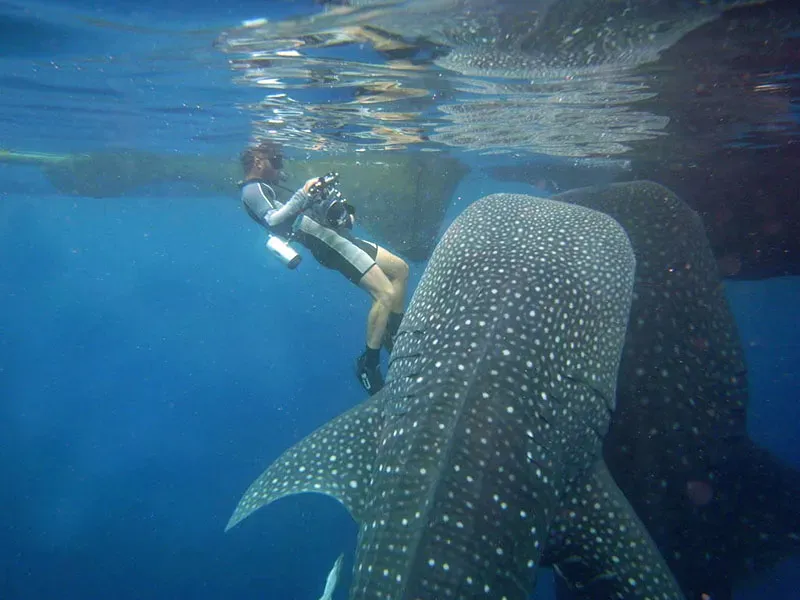
The morning sun, a liquid gold, spills across the glassy surface of the bay. Below, the water pulses with an ancient rhythm. You slip into the cool embrace, a weightless observer in a realm of impossible blue. Suddenly, a colossal shadow materializes from the depths – a whale shark, a gentle titan, gliding with serene purpose. Its spotted hide, a canvas of cosmic patterns, drifts inches from your mask. The air leaves your lungs in a silent gasp, replaced by the profound hum of the ocean. This is the raw, unfiltered magic of Cenderawasih Bay, a place that doesn’t just promise encounters; it delivers living dreams. (See Conservation International — Cenderawasih for context.)
Section 01
The Heart of the Bay: Unparalleled Biodiversity and Whale Shark Encounters
When the conversation turns to Indonesia’s marine crown jewels, destinations like Raja Ampat and Komodo National Park often command immediate attention. They are, without question, spectacular. Raja Ampat, for instance, boasts the highest marine biodiversity on Earth, a fact supported by scientific expeditions that have identified over 1,500 fish species and 600 coral species within its waters.
The sheer volume and variety of its dive sites are legendary, offering everything from kaleidoscopic soft coral gardens to thrilling drift dives. Komodo, on the other hand, captivates with its powerful currents, attracting large pelagics – manta rays, sharks, and vast schools of fish – alongside its iconic terrestrial dragons. Yet, Cenderawasih Bay carves its own unique niche, particularly for those whose ultimate desire is a consistent, intimate interaction with the ocean’s largest fish.
Here, in the vast expanse of Cenderawasih Bay National Park, the whale sharks are not migratory visitors but resident giants, drawn by the local fishing platforms (bagans). This unique symbiotic relationship means that encounters are not just possible; they are virtually guaranteed, year-round, a rarity in the global diving landscape. Imagine drifting alongside multiple whale sharks, some stretching over 10 meters (33 feet) in length, their immense mouths gently siphoning plankton.
This consistency sets Cenderawasih Bay apart from even Raja Ampat, where whale shark sightings, while possible, are seasonal and far less predictable. For the luxury traveler seeking a truly profound, reliable wildlife experience, the bay offers an unparalleled return on investment in terms of these magnificent creatures.
Beyond the Giants: Endemism and Pristine Corals
While the whale sharks are the undeniable stars, the supporting cast in Cenderawasih Bay’s underwater theatre is equally compelling. The bay’s geological history as a landlocked sea during the last ice age has fostered an extraordinary level of endemism. Scientists have identified over 18 species of fish found nowhere else on Earth, including several species of walking sharks and numerous unique gobies.
The coral reefs, remarkably resilient and vibrant, show little to no bleaching, a testament to the bay’s remote, protected status. Dive sites here feel untouched, offering an immersion into a genuinely pristine ecosystem. This contrasts with some more frequently visited areas of Komodo, where dive sites can, at times, show signs of increased traffic, though still spectacular.
The unique biodiversity here is a quiet luxury, a privilege for the few who venture to discover it.
Section 02
Remote Splendor vs. Established Infrastructure: Access and Comfort
The journey to Cenderawasih Bay is, by design, part of its allure. It is not a destination of easy access, nor does it aspire to be. Typically, reaching the bay involves a domestic flight from major Indonesian hubs like Jakarta or Bali to Manokwari or Nabire, followed by a transfer to a liveaboard vessel. This multi-leg journey, often spanning a full day of travel, underscores its remote nature.
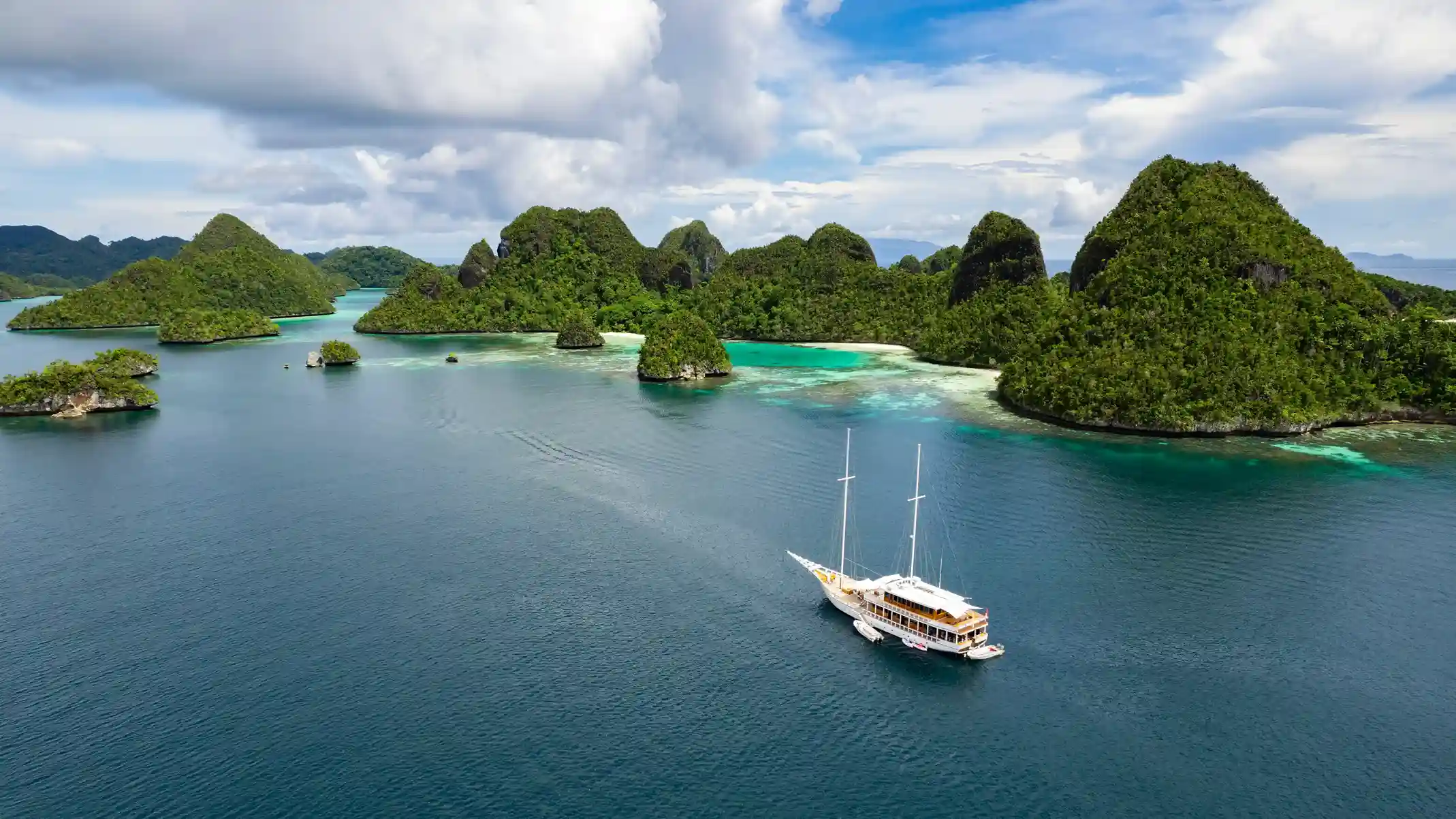
The primary mode of accommodation and exploration within the bay is a luxury liveaboard, offering an intimate experience for a select group of guests, usually between 10 and 20 individuals. These vessels are self-sufficient havens, providing gourmet dining, expert dive guides, and comfortable cabins, allowing seamless exploration of the vast national park. Prices for a typical 7-10 day luxury liveaboard journey can range from $5,000 to over $15,000 per person, reflecting the exclusivity and logistical complexity.
Compare this to alternatives like Bali or even parts of Raja Ampat. Bali, a global tourism powerhouse, boasts Ngurah Rai International Airport (DPS), serving millions of international visitors annually. Here, you step off a direct flight and are immediately immersed in a world of five-star resorts, private villas, and an established tourism infrastructure. Even in Raja Ampat, while still remote, there’s a growing number of eco-resorts and homestays on islands like Kri and Gam, offering land-based options alongside liveaboards.
The convenience of daily flights, a variety of accommodation choices, and readily available amenities are significant draws for many luxury travelers. For those who prioritize immediate gratification and a wider array of off-the-water activities, Bali or even the more developed parts of Raja Ampat present a compelling case.
The Value of Disconnection: A Different Kind of Luxury
The remoteness of Cenderawasih Bay is not a drawback; it is its defining luxury. Here, mobile phone signals are rare, and internet access is often limited to satellite connections on liveaboards. This forced disconnection fosters a profound sense of presence and tranquility. There are no bustling towns, no souvenir shops, no traffic. The days unfold with the rhythm of the tides and the sun, punctuated by dives, snorkeling, and quiet moments on deck.
For the traveler who yearns to truly unplug, to escape the incessant demands of the digital world, and to reconnect with nature on an elemental level, this isolation is precisely the draw. It’s an investment not just in a destination, but in a rare commodity: undisturbed peace. The journey itself becomes a rite of passage, elevating the destination to something truly earned and deeply cherished.
Cultural Tapestry: Immersion in West Papua vs. Bali’s Spiritual Heart
Indonesia is a mosaic of cultures, each island, each region, telling a distinct story. Bali, perhaps the most globally recognized, offers a vibrant, accessible cultural experience steeped in Hinduism. Its daily rituals, intricate temple ceremonies, traditional dances, and renowned artisan crafts are readily available for visitors to witness and participate in. From the spiritual heartland of Ubud with its rice terraces and yoga retreats to the ancient temples like Tanah Lot, Balinese culture is deeply interwoven with its tourism offerings.
You can attend a cooking class, visit a silversmith, or simply observe a Balinese purification ceremony, all within easy reach of luxury resorts. The average visitor to Bali spends approximately $1,500 on local experiences and goods over a week, contributing to its thriving cultural economy.
In stark contrast, the cultural experience in Cenderawasih Bay is one of profound authenticity and respectful observation. This is West Papua, a region home to diverse indigenous Papuan tribes, many of whom maintain traditional ways of life. Visits to remote coastal villages, often facilitated by liveaboards, offer a rare glimpse into communities living in harmony with the sea and the land.
You might witness traditional fishing techniques, observe local craftsmanship, or be welcomed with a simple song. These interactions are not curated performances for tourists; they are genuine exchanges, often facilitated by local guides who understand the nuances of cultural sensitivity. The experience is less about consumption and more about connection, a privilege granted by the community.
The Depth of Connection: Beyond the Surface
The cultural encounters in Cenderawasih Bay are not about ticking off a list of attractions. They are about understanding, about bearing witness to a way of life that has endured for centuries, often untouched by external influences. This depth of connection resonates differently than the more readily available cultural experiences elsewhere. There’s a humility in being welcomed into these remote communities, a recognition that you are a guest in their world.
The stories shared, the smiles exchanged, the simple acts of hospitality – these become some of the most cherished memories of the trip. For the luxury traveler who seeks not just beauty, but meaning, not just entertainment, but enlightenment, the cultural immersion in Cenderawasih Bay offers an unparalleled opportunity for genuine cross-cultural understanding, far removed from the commercialized aspects often found in more touristed regions.
Section 04
Diving Dynamics: Pristine Reefs and Endemic Wonders
Indonesia’s reputation as a diving Mecca is well-earned, with destinations like Raja Ampat and Komodo offering a dizzying array of underwater experiences. Raja Ampat, often called the “Amazon of the Seas,” is renowned for its sheer biomass, with schools of fusiliers, barracudas, and jacks swirling around vibrant coral gardens. Its dive sites, numbering in the hundreds, range from adrenaline-pumping drift dives through channels to serene muck dives revealing fascinating critters.
Komodo, too, offers thrilling diving with its strong currents, attracting large pelagics like manta rays at sites such as Manta Point, and providing opportunities to see reef sharks and healthy coral ecosystems. Visibility in these areas can often exceed 20 meters (65 feet) on good days, making for spectacular wide-angle photography.
However, Cenderawasih Bay presents a distinct diving proposition, one focused on pristine conditions and unique species. Due to its historical isolation as a trapped sea, the bay’s coral reefs are incredibly resilient and have largely escaped the widespread bleaching events that have impacted other parts of the world. This means divers here encounter vast expanses of healthy, vibrant corals, some estimated to be hundreds of years old.
The visibility, while sometimes affected by plankton (which, of course, attracts the whale sharks), is generally excellent. The absence of strong currents at many sites makes for relaxed diving, ideal for photographers and those who prefer a more leisurely pace to observe the unique macro life and endemic species. Over 18 endemic fish species have been identified here, including several species of Epaulette sharks (walking sharks) that are a delight to discover.
A Scientific Sanctuary: Diving with Purpose
Diving in Cenderawasih Bay feels like exploring a living laboratory. The scientific significance of its biodiversity is immense, making every dive an opportunity for discovery. While other destinations offer incredible spectacles, the bay provides a deeper connection to marine science and conservation. The feeling of swimming alongside a whale shark, knowing it’s part of a resident population studied by researchers, adds a layer of meaning to the experience.
For the luxury traveler who values not just beauty but also uniqueness and contribution to conservation awareness, the bay offers an unparalleled dive experience. It’s a place where the underwater world still holds many secrets, inviting you to be part of their unveiling. Explore more about marine conservation efforts in Indonesia at Indonesia.travel.
Section 05
The Pace of Discovery: Adventure and Exclusivity vs. Accessibility and Variety
Choosing a luxury destination in Indonesia often comes down to the desired pace and type of adventure. Bali, with its well-established infrastructure, offers a blend of relaxation and activity. You can spend mornings surfing Seminyak’s waves (which average 1-2 meters or 3-6 feet), afternoons at a high-end spa, and evenings dining at Michelin-starred restaurants.
The island provides a spectrum of experiences, from spiritual retreats in Ubud to vibrant nightlife in Canggu, catering to a diverse range of preferences. Komodo National Park, while more adventure-focused, offers the iconic Komodo dragon treks (typically 2-3 hours walking on Rinca or Komodo Island) alongside thrilling drift dives, providing a balance of land and sea activities.
These destinations are built for variety and accessibility, allowing travelers to curate a multi-faceted itinerary.
Conversely, Cenderawasih Bay is a destination for the true explorer, the discerning traveler who values deep immersion over broad variety. The pace here is dictated by the ocean, by the movements of its majestic inhabitants. Days are primarily spent on or in the water, focusing on diving, snorkeling, and exploring pristine islets. There are no bustling markets, no extensive land excursions beyond quiet beach walks or respectful village visits.
The adventure lies in the discovery of untouched reefs, the awe of swimming with whale sharks, and the privilege of witnessing a truly wild frontier. This exclusivity means fewer crowds; you are unlikely to encounter other dive boats or large groups of tourists. It’s a deliberate choice for solitude and profound connection, a stark contrast to the more bustling luxury offerings of Bali or even the popular dive sites of Raja Ampat, which can see dozens of liveaboards and resorts during peak season (October-April).
An Investment in the Untouched Frontier
The decision to choose Cenderawasih Bay is an investment in an experience that is increasingly rare in our interconnected world: true, unvarnished wilderness. It’s for the traveler who understands that luxury is not just about opulent amenities, but about unparalleled access to nature, exclusivity, and the opportunity to witness something truly special. The cost reflects the logistics of operating in such a remote area, the expertise required to navigate its waters, and the commitment to sustainable, low-impact tourism.
If your idea of luxury involves a deep dive into an untouched ecosystem, intimate wildlife encounters, and the quiet satisfaction of being one of the few to experience it, then the bay stands as an unrivaled choice. For those seeking a more varied itinerary with extensive land-based activities and a wider array of social interactions, alternatives might offer a more suitable fit. Discover more about our unique offerings at our experiences page.
Section 06
Investment in Experience: Value of the Untouched Frontier
Luxury travel in Indonesia comes with a range of price points, reflecting different levels of service, access, and exclusivity. A high-end resort stay in Bali, including private villa accommodation, gourmet dining, and spa treatments, might average $700-$1,500 per night. Similarly, a top-tier liveaboard in Raja Ampat can range from $700-$1,500 per person per day for a 7-10 day trip.
These investments provide exceptional comfort, world-class amenities, and access to incredible natural beauty. However, the value proposition of Cenderawasih Bay lies in a different dimension: the profound rarity and pristine nature of its offerings. The average cost for a luxury liveaboard expedition in Cenderawasih Bay typically starts from $800-$1,800 per person per day, often for trips lasting 8-12 days, making the total investment significant.
This premium is justified by several factors. Firstly, the logistical challenges of operating in such a remote region are considerable. Fuel, provisions, and specialized equipment must be transported long distances. Secondly, the commitment to responsible tourism and conservation is often higher, with operators working closely with local communities and national park authorities to minimize impact.
Thirdly, and most importantly, the experience itself is an investment in exclusivity. You are paying for guaranteed, uncrowded encounters with resident whale sharks, access to reefs that see minimal human impact, and cultural interactions that are genuinely authentic. This isn’t just a vacation; it’s an expedition, a journey of discovery that delivers unique, once-in-a-lifetime moments that simply cannot be replicated elsewhere, even in other parts of Indonesia. It’s a privilege few will ever experience.
When Alternatives Provide Different Returns
While Cenderawasih Bay offers an unparalleled return on the investment in raw natural beauty and exclusive wildlife encounters, it’s important to consider what other destinations offer in terms of value. If your definition of luxury includes extensive shopping, a vibrant nightlife, a wider array of culinary experiences beyond what a liveaboard can offer, or a strong emphasis on land-based cultural performances and historical sites, then Bali, with its average annual tourism revenue exceeding $6 billion, provides exceptional value.
If you are a dedicated diver seeking the sheer volume of dive sites, the thrilling currents, and the diverse marine life of Raja Ampat or Komodo, without the singular focus on whale sharks, those destinations will also provide immense value for your investment. The choice, ultimately, depends on what defines true luxury for your personal journey.
For the traveler whose heart beats for the untouched, the wild, and the truly unique, Cenderawasih Bay is where your deepest desires will find their most profound fulfillment.
The choice of an Indonesian luxury destination is a deeply personal one, guided by your specific aspirations. If your compass points towards unparalleled intimacy with nature’s giants, if you seek the whisper of ancient reefs and the quiet dignity of untouched cultures, and if you understand that true luxury lies in exclusivity and profound connection, then Cenderawasih Bay awaits.
It is not merely a place to visit; it is a world to discover, a sanctuary for the soul, and an adventure that will redefine your understanding of wilderness. Begin your journey of discovery today. Explore our expeditions and craft your bespoke experience.