
Best Time for Cenderawasihbay
Best Time for Cenderawasihbay — practical 2027 guidance for cenderawasihbay.
Quick Answer
Cenderawasih Bay, an immense marine national park located in West Papua, Indonesia, is a remote sanctuary celebrated for its unparalleled biodiversity and uniquely reliable whale shark encounters. Extending across 14,535 square kilometers, it harbors an astonishing array of coral species and fish, making it a prime destination for discerning divers and snorkelers.
The sapphire expanse of Cenderawasih Bay unfurls beneath a sky often painted in hues of tropical azure, its waters a living tapestry of coral gardens and an elusive ballet of marine giants. You stand on the deck of a meticulously crafted liveaboard, the salt-laced breeze carrying the scent of distant jungle, the rhythmic pulse of the ocean a constant companion. Below the surface, an entire universe awaits: vibrant pygmy seahorses clinging to gorgonian fans, schools of barracuda swirling in synchronized precision, and the majestic, gentle leviathans – the whale sharks – gliding with serene indifference. Planning your visit to this remote Indonesian jewel is not merely about choosing a date on a calendar; it is about aligning with the very breath of the ocean, understanding its rhythms to unlock the most profound, intimate encounters. This guide navigates the nuanced seasons of Cenderawasih Bay, ensuring your journey transcends mere travel, becoming an indelible chapter in your personal narrative of discovery.
Section 01
The Perpetual Warmth: Understanding Cenderawasih Bay’s Climate
Positioned just south of the equator, Cenderawasih Bay experiences a consistently warm, tropical climate throughout the year, characterized by two primary seasons: the dry and the wet. Temperatures rarely fluctuate dramatically, typically hovering between 25°C and 32°C (77°F to 90°F) on land. The water temperature, a crucial factor for divers, remains remarkably stable and inviting, averaging a balmy 28°C to 30°C (82°F to 86°F) year-round, eliminating the need for thick wetsuits.
This consistent warmth ensures comfortable conditions for extended periods in the water, a significant draw for luxury dive excursions. Humidity levels are generally high, often exceeding 80%, particularly during the wet season, which runs from December to March. The region receives an average annual rainfall of approximately 2,500 millimeters, distributed unevenly across the year. Understanding these climatic nuances is key to appreciating the subtle shifts in marine behavior and surface conditions that define each period.
The relatively stable climate also means that while certain months are “best,” there is rarely a truly “bad” time to visit; rather, each period offers a distinct character. The absence of extreme temperature variations contributes to the rich biodiversity, providing a consistent environment for marine life to thrive. This stable ecosystem is a primary reason why the whale sharks are such reliable residents here, drawn by the continuous presence of their food source.
Section 02
Peak Perfection: Dry Season Diving (May-October)
The dry season, spanning from May to October, represents the zenith for experiencing Cenderawasih Bay’s underwater marvels. During these months, the prevailing winds are gentler, leading to calmer surface conditions and significantly enhanced visibility, often extending beyond 25-30 meters. This clarity transforms the underwater landscape into a vibrant panorama, ideal for capturing stunning photographic and videographic memories.
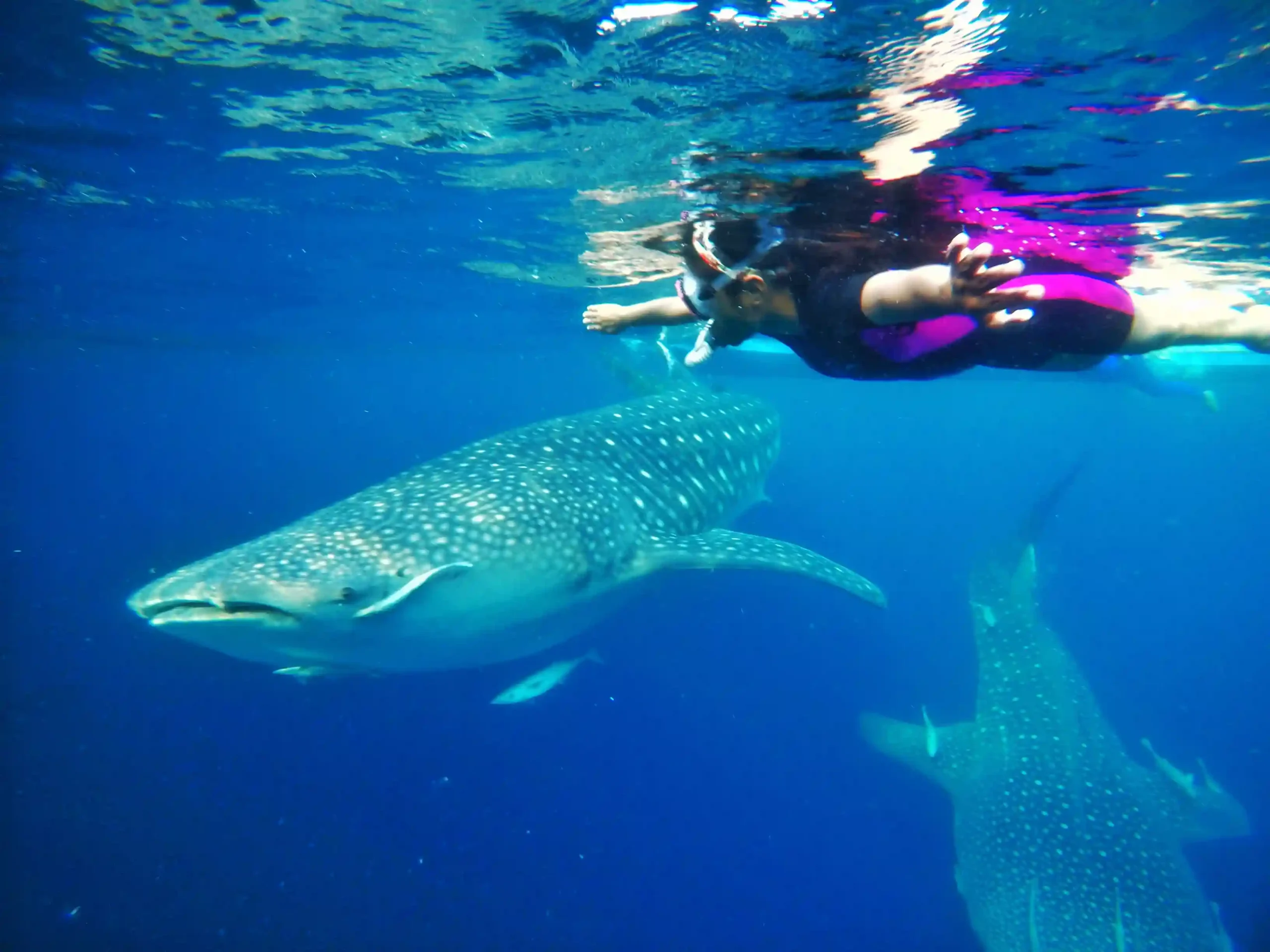
The reduced rainfall, averaging less than 150mm per month during July and August, means fewer sediment runoff into the bay, preserving the pristine quality of the water. While whale sharks are present year-round, their sightings become even more consistent and predictable during this period, particularly towards the latter half of the dry season. Liveaboards operate at their peak capacity, and itineraries are optimized to maximize encounters with these gentle giants near the traditional fishing platforms (bagans) where they congregate.
Booking well in advance, often 12-18 months ahead, is imperative for luxury liveaboard experiences during these sought-after months, as availability diminishes rapidly. Expect premium pricing, with 7-night liveaboard expeditions ranging from $6,000 to $15,000 per person, depending on the vessel and cabin class. The clear skies and minimal rain also enhance topside experiences, from exploring remote islands to enjoying sundowners on deck without interruption.
This period is favored by serious photographers and those seeking the most unblemished conditions for their immersive journey into the heart of Cenderawasih Bay’s marine sanctuary.
August & September: The Whale Shark Window
Within the dry season, August and September often stand out as the absolute prime window for whale shark encounters. The confluence of stable weather, excellent visibility, and the consistent presence of fishing bagans creates near-perfect conditions. During these months, it is not uncommon for visitors to have multiple, prolonged interactions with these magnificent creatures. The water remains a consistent 29°C, inviting long hours of snorkeling and diving.
While crowds are at their highest during this period, the vastness of Cenderawasih Bay National Park ensures that even with multiple liveaboards present, the feeling of remote exploration is preserved. The number of active liveaboards can reach 10-15 vessels during peak weeks. This is the time when the bay truly lives up to its reputation as the “Galapagos of Indonesia” for whale sharks, offering an unparalleled opportunity to witness these filter-feeders up close.
Securing a spot on a reputable luxury liveaboard for this specific window requires diligent planning and early reservations, reflecting the high demand for this exceptional experience.
The Serene Interlude: Shoulder Seasons (April & November)
The shoulder seasons of April and November offer a compelling alternative for those seeking a more tranquil experience without significantly compromising on marine encounters. These months act as transitional periods, bridging the dry and wet seasons. In April, the tail end of the wet season gives way to increasing sunshine and calmer seas, while November sees the dry season gracefully recede, with occasional rain showers beginning to appear.
Visibility remains excellent, often exceeding 20 meters, though perhaps not consistently reaching the absolute peaks of July or August. The primary advantage during these months is the noticeable reduction in crowds. With fewer liveaboards operating at full capacity, the feeling of having this pristine wilderness almost entirely to yourself intensifies. This translates into more intimate encounters with marine life, less competition for prime dive sites, and a heightened sense of discovery.
Furthermore, pricing often becomes more attractive. Discounts of 10-20% on liveaboard rates are not uncommon, making a luxury expedition more accessible. Average monthly rainfall in April might be around 200mm, while November sees a slight increase to 250mm, but these showers are typically brief and localized, rarely impacting an entire day of activities. For guests prioritizing solitude and value without sacrificing quality, these shoulder months present an ideal balance.
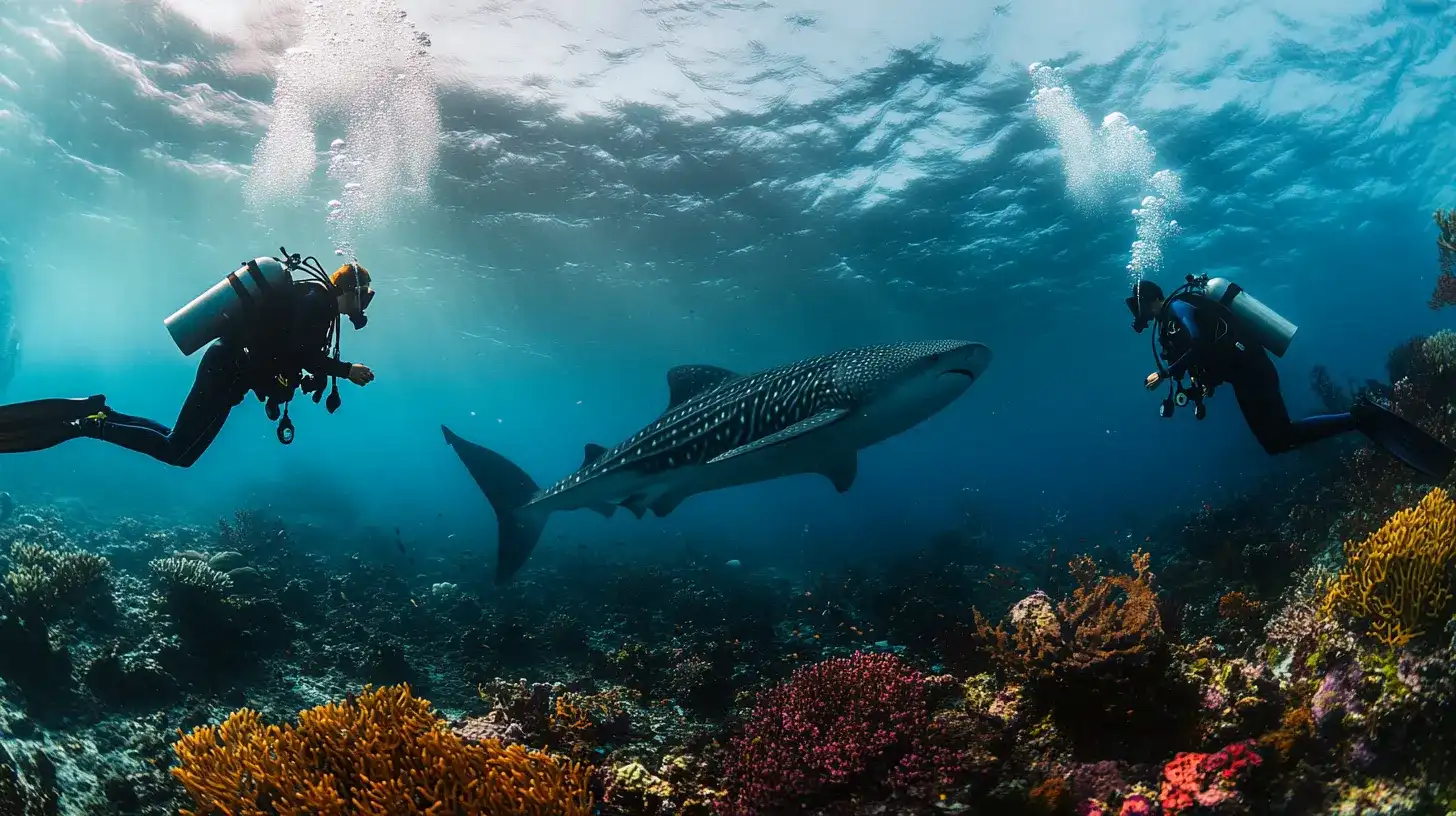
The marine life remains abundant, with a diverse array of reef fish, pelagics, and even whale sharks still very much a part of the daily spectacle, ensuring that the essence of Cenderawasih Bay’s magic is fully accessible.
Section 04
Rain-Kissed Wonders: Wet Season Explorations (December-March)
While often termed the “wet season,” the period from December to March in Cenderawasih Bay presents a unique set of opportunities for the intrepid traveler. Rainfall is more frequent and intense, with monthly averages often exceeding 300mm in January and February. However, this typically manifests as tropical downpours that can be heavy but are often localized and intermittent, rather than continuous, day-long deluges.
Surface conditions can be choppier, and visibility might occasionally be reduced to 15-20 meters due to increased runoff. Despite these factors, the bay remains incredibly active. The marine ecosystem thrives, and certain species, particularly macro life, can be more prevalent. Whale sharks, while perhaps requiring a bit more patience to locate, are still consistently present, adapting to the shifts in nutrient distribution.
The most significant draw of the wet season is the dramatic reduction in visitor numbers. This is the time for truly private expeditions, where the bay feels like your exclusive domain. Prices for luxury liveaboards can see reductions of 20-30% or more, offering an unparalleled value proposition for those willing to embrace the tropical showers.
Flights into regional airports like Nabire or Manokwari, which serve as common embarkation points, might be subject to more delays due to weather, so building in buffer days is advisable. For the seasoned diver or photographer seeking untouched moments and exceptional value, the wet season unveils a different, yet equally captivating, facet of Cenderawasih Bay, proving that even under grey skies, its underwater world radiates with life.
Section 05
The Whale Shark Calendar: Maximizing Encounters in Cenderawasih Bay
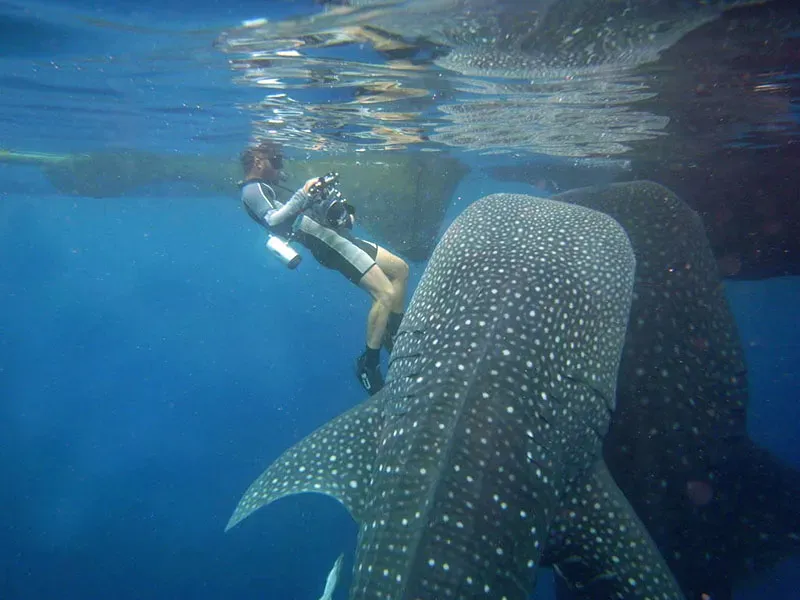
The allure of Cenderawasih Bay often converges on its charismatic megafauna: the whale sharks. Unlike many other destinations where sightings are seasonal or unpredictable, the whale sharks of Cenderawasih Bay are resident, drawn by the unique fishing practices of local communities. These filter-feeders gather beneath traditional lift-net fishing platforms, known as “bagans,” feeding on the small baitfish that spill from the nets.
This consistent food source ensures their year-round presence. However, the ease and frequency of encounters do vary. The peak consistency for intimate interactions aligns with the dry season, particularly from August to October, when calm seas and exceptional visibility create ideal conditions for observation. During these months, it’s common to spend hours with multiple individuals, observing their graceful movements.
Even outside this window, in the shoulder seasons of April and November, or during the wet season, encounters are highly probable, though perhaps requiring more dedicated searching by the liveaboard crew. The key is the availability of active bagans. While some bagans operate throughout the year, their numbers can fluctuate. Your luxury liveaboard crew, intimately familiar with local patterns, will navigate to the most promising locations.
The sheer size of the national park, encompassing 14,535 square kilometers (5,612 square miles), means that even with year-round presence, finding them requires local expertise. It’s a testament to the bay’s ecological integrity that these encounters are not just possible, but often profound, offering a rare glimpse into the wild heart of the ocean.
Teluk Cenderawasih National Park protects this unique ecosystem, ensuring the continued presence of these gentle giants.
Section 06
Navigating Logistics: Crowds, Pricing, and Booking Windows
Embarking on a journey to Cenderawasih Bay requires foresight, especially when considering the elements of crowds, pricing, and booking windows. As a remote luxury destination, access is primarily via liveaboard, which are limited in number. The dry season (May-October), particularly August and September, witnesses the highest demand. During this peak period, live