
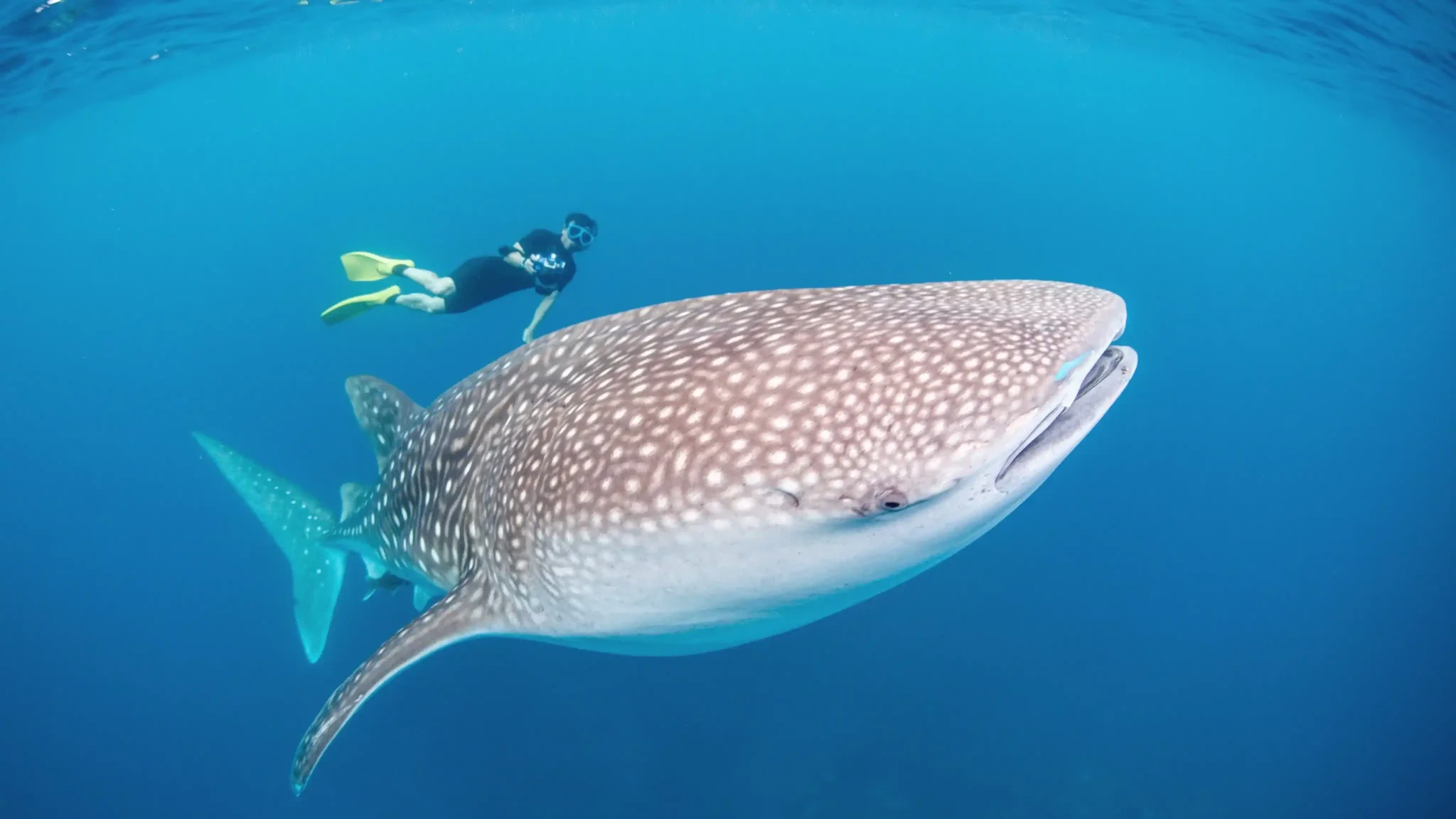
For the best Cenderawasih Bay whale shark interaction guidelines 2027, adhere to official conservation practices, respect local wildlife, and follow safe and responsible tourism standards.
Best Cenderawasih Bay Whale Shark Interaction Guidelines 2027
Interacting with whale sharks in Cenderawasih Bay offers an awe-inspiring experience, but it also requires adherence to specific guidelines to ensure the safety of both visitors and these gentle giants. The 2027 guidelines have been updated to align with conservation efforts and promote sustainable tourism. These guidelines have been developed in collaboration with marine biologists, local authorities, and conservation organisations to ensure the long-term well-being of the whale shark population. To further reinforce these guidelines, training sessions for tour operators are conducted annually to keep them informed of the latest practices and regulations.
What are the guidelines for interacting with whale sharks in Cenderawasih Bay in 2027?
The guidelines for 2027 emphasize maintaining a respectful distance of at least three metres from the whale sharks. This distance helps prevent stress on the animals and reduces the risk of accidental collisions. Direct contact with the animals is strictly prohibited to prevent the transfer of harmful bacteria from humans to the sharks. Additionally, the use of flash photography is banned as it can distress the animals and disrupt their natural behaviour. To limit human impact, no more than ten people are allowed in the water with a single whale shark at any time, and tours are scheduled to avoid overcrowding. These measures are vital to protect the whale sharks and enhance the experience for visitors. Tour operators are trained to enforce these guidelines, ensuring a safe and respectful interaction for all involved.
Best Cenderawasih Bay Whale Shark Season Guide 2027
The prime season for whale shark interactions in Cenderawasih Bay is from May to October. During these months, the waters are calmer with sea temperatures ranging between 25°C and 28°C, providing ideal conditions for marine life observation. The whale sharks are more active in these conditions, often feeding near the surface, which increases the likelihood of sightings. Planning your visit during this period ensures not only a higher chance of encountering these magnificent creatures but also more stable weather conditions, which are crucial for safe marine excursions. Visitors are encouraged to book tours in advance, as this peak season can attract many wildlife enthusiasts from around the world.
Top Cenderawasih Bay Whale Shark Conservation Tours 2027
Conservation tours in Cenderawasih Bay in 2027 focus on education and sustainable interaction practices. These tours are designed to provide participants with a comprehensive understanding of the local marine ecosystem and the critical role that whale sharks play within it. Tour operators collaborate with marine biologists to offer educational talks and workshops that cover topics such as the biology of whale sharks, their migratory patterns, and the threats they face from human activities. Participants can engage in activities such as beach clean-ups and data collection, contributing to ongoing research efforts. By choosing these conservation-focused tours, visitors support initiatives that aim to protect the marine environment and ensure that future generations can enjoy these magnificent creatures. For more details, visit our FAQ page.
Essential Whale Shark Interaction Tips
- Always follow the guidance of local tour operators, who are trained to ensure safe and respectful interactions.
- Do not feed the whale sharks or other marine life, as this can disrupt their natural feeding habits and lead to dependency on human-provided food.
- Wear eco-friendly sunscreen to avoid harming marine ecosystems. Look for sunscreens that are free from oxybenzone and octinoxate, which are known to damage coral reefs and marine life.
- Maintain a calm and quiet demeanour to avoid startling the animals. Sudden movements or loud noises can cause stress to whale sharks, impacting their natural behaviour.
2027 Note
As of 2027, new regulations have been implemented to further safeguard the whale shark population in Cenderawasih Bay. These include stricter limits on the number of daily visitors, with a maximum of 100 visitors allowed per day to minimise human impact on the environment. Enhanced monitoring of tour operators is also in place, with regular audits conducted to ensure compliance with conservation guidelines. Tour operators who fail to comply with these regulations may face penalties or have their licences revoked. Staying informed about these changes is crucial for responsible tourism. To explore more about Cenderawasih Bay, visit our homepage.
FAQ
Can you swim with whale sharks in Cenderawasih Bay?
Yes, swimming with whale sharks is allowed, but it must be done under the supervision of licensed guides and in accordance with the official guidelines. Licensed guides are trained to ensure that interactions are conducted safely and respectfully, protecting both the visitors and the whale sharks.
How can I contribute to whale shark conservation?
Visitors can contribute by choosing eco-friendly tours that prioritise conservation over profit. Participating in conservation activities such as beach clean-ups and citizen science projects can also make a significant impact. Supporting local initiatives aimed at marine protection, such as donating to conservation organisations or volunteering for local projects, helps sustain efforts to protect the marine environment.
Are there any age restrictions for whale shark tours?
While there are generally no strict age restrictions, it’s recommended that children are accompanied by adults and can swim confidently in open water environments. Parents should assess their children’s swimming abilities and comfort in water before participating in these tours. Some tour operators may offer special safety equipment or flotation devices for younger participants to ensure their safety during the excursion.