
Papua Marine Park: Cenderawasih Bay Biodiversity, Conservation, Visitor Info
Papua Marine Park: Cenderawasih Bay Biodiversity, Conservation, Visitor Info — practical 2027 guidance for cenderawasihbay.
Quick Answer
Cenderawasih Bay is a curated Indonesia luxury tourism experience offered by : handpicked routes, vetted operators, transparent pricing, and 24/7 concierge support across Indonesia.
By Cenderawasih Bay Guide Editorial Desk — PADI Master Instructor & Komodo Dive Specialist, 22+ years in Indonesia tourism. Reviewed by the PT Juara Holding Group editorial team. Last updated 2026-05-05.
Section 01
Papua Marine Park Guide: Cenderawasih Bay
Indonesia’s largest marine national park — 1.4 million hectares of biodiversity, conservation impact, and the Bird’s Head Seascape’s hidden corner.
Cenderawasih Bay protects 1,453,500 hectares of marine ecosystem on the northern coast of West Papua, Indonesia — making it the largest marine national park in Indonesia and one of the largest in Southeast Asia. Designated as a national park in 1993 and expanded to its current size in 2002, the park sits within the Bird’s Head Seascape, the same biodiversity hotspot that includes the more famous Raja Ampat.
Yet Cenderawasih receives a fraction of the visitor traffic, making it the destination of choice for divers and naturalists wanting world-class biodiversity without the crowds. This guide covers what makes the park scientifically and ecologically significant, how to visit responsibly, and what visitor experiences are practically available.
Section 02
Marine Biodiversity Profile
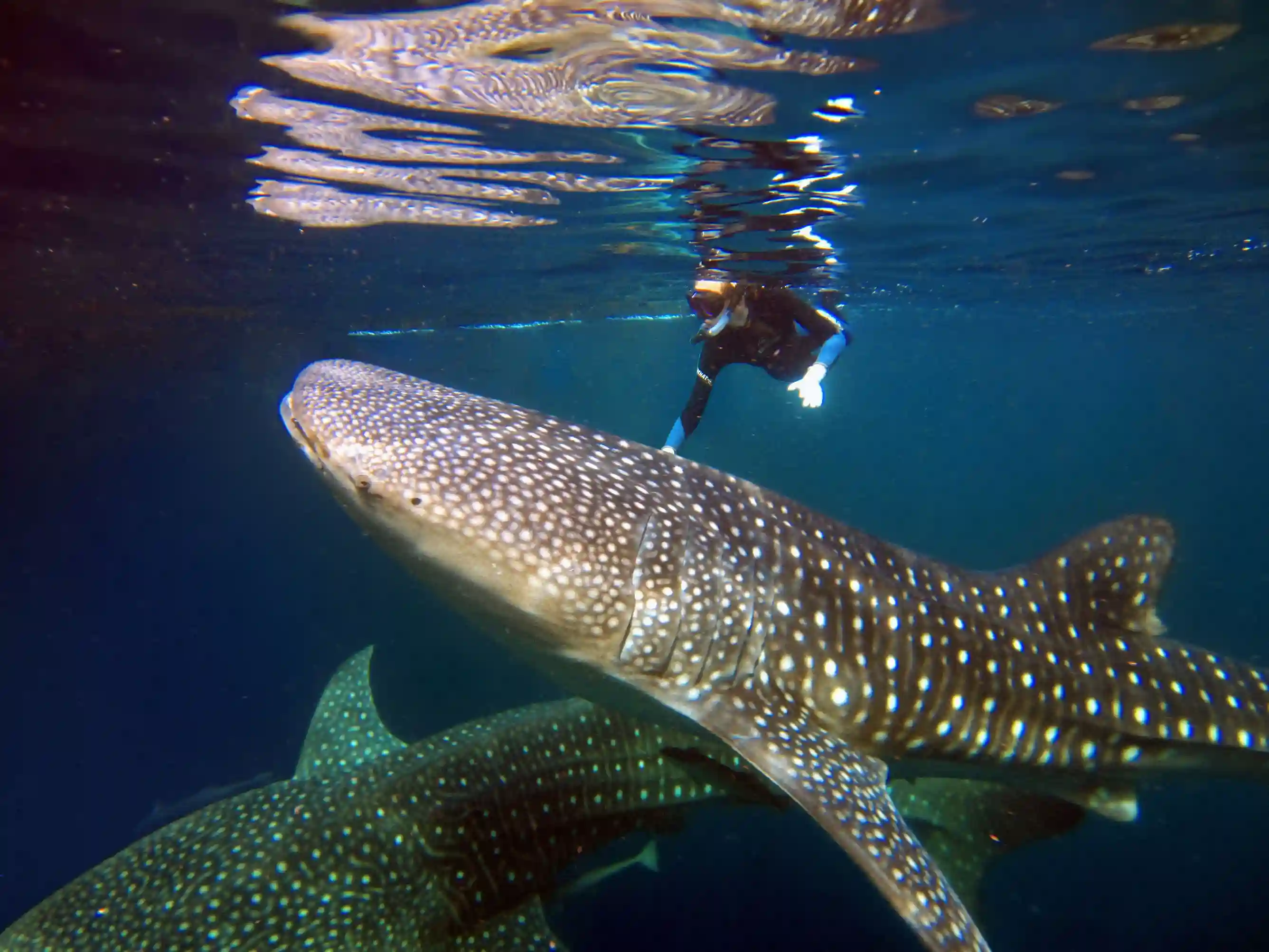
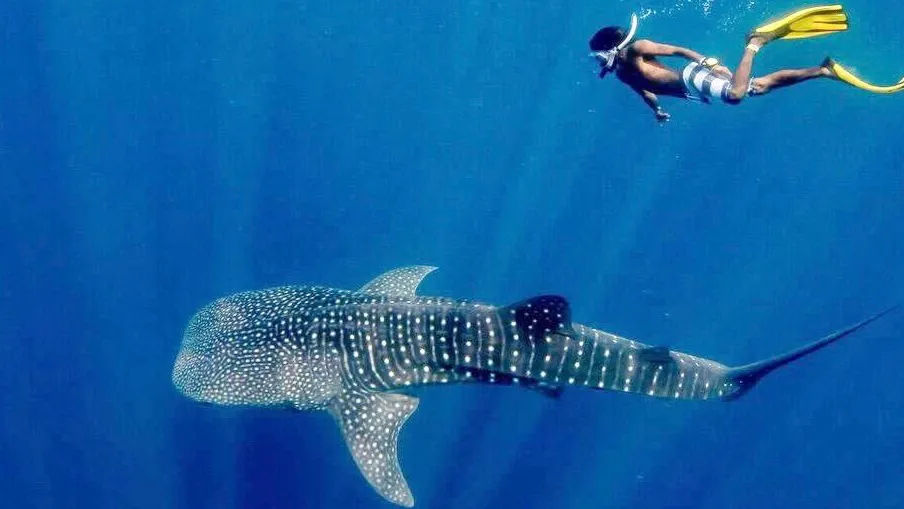
The park’s biodiversity rivals the more-publicized adjacent Raja Ampat region. Conservation International’s 2008-2018 surveys documented over 200 species of hard coral, more than 150 reef fish species (the actual count is likely substantially higher — survey work continues), regular sightings of bottlenose and spinner dolphins, manta rays at the Pulau Mioswar cleaning station, and a resident population of 180+ individually-identified whale sharks.
Three WWII-era Japanese shipwrecks lie within recreational diving range — the Shinwa Maru at 28 meters, the Pasir Putih wreck at 18 meters, and the Tanjung Mangguar wreck at 30 meters — all of which now serve as artificial reefs supporting dense fish life.
The park’s deep-water habitat is particularly notable. Where the continental shelf drops sharply from coastline to depths exceeding 1,000 meters, the bay supports pelagic species rarely encountered in shallower Indonesian marine parks: scalloped hammerhead sightings have been documented near Pulau Roon, occasional pilot whale and orca sightings during transit between dive sites, and tuna schools that draw the region’s remaining sustainable artisanal fisheries.
The Bird’s Head Seascape Connection
Cenderawasih Bay forms one of three core conservation zones within the broader Bird’s Head Seascape Initiative, alongside Raja Ampat and Triton Bay. Coordinated by Conservation International with partner NGOs WWF Indonesia, the Nature Conservancy, and 12 local Papuan organizations, the initiative protects 22.5 million hectares of marine ecosystem — the most ambitious marine conservation effort in Southeast Asia.
The Cenderawasih portion of this conservation network has been particularly successful: the bay’s strict protection zones (closed to fishing entirely) have shown documented increases in fish biomass since 2010, while community-managed buffer zones have provided sustainable economic livelihoods to 17 villages within park boundaries.
Section 04
The Conservation Funding Model
Cenderawasih’s conservation depends on three revenue streams: park entrance fees ($30-45 per visitor per day, distributed across patrols and community fund), tourism revenue captured by licensed operators (with mandatory community contribution requirements), and international conservation grants (Conservation International, Margaret A. Cargill Foundation, Walton Family Foundation). The combined funding supports 47 marine patrol rangers, 12 reef monitoring scientists, three patrol boats, ranger station infrastructure on Pulau Mioswar and at Kwatisore village, and the Whale Shark Photo-ID Conservation Database that has identified and tracked 180+ individual sharks since 2010.
Tourism is now the primary financial argument for protecting the bay against destructive fishing, mining, and oil exploration interests that have repeatedly threatened the area. Independent economic analyses by the Indonesian Ministry of Maritime Affairs estimate that bagan-based whale shark tourism generates 3-4x more revenue per shark per year than commercial bycatch capture would — the strongest economic argument for continued strict protection.
Section 05
Wildlife Beyond Whale Sharks
Manta rays
— Year-round at Pulau Mioswar cleaning station, peak sightings October-March
Bottlenose and spinner dolphins
— Pods of 20-100 commonly accompany dive boats during transit
Reef sharks
— Whitetip and blacktip common at Tanjung Mangguar reef walls
Pelagics
— Tuna, trevally, occasional pilot whales and orcas during transit
Macro
— Pygmy seahorses, frogfish, blue-ringed octopus at Pulau Roon reef system
WWII shipwrecks
— Three Japanese vessels for advanced divers, supporting dense fish life
Coral diversity
— 200+ hard coral species documented, with active research expanding the count
Bird life
— The terrestrial component of the park supports 28 endemic Papuan bird species, including the famous birds-of-paradise (cenderawasih) for which the bay is named
Visitor Restrictions and Responsible Travel
The park welcomes approximately 4,000 international visitors annually (2024 figures), a deliberately modest number reflecting both the remote logistics of access and active visitor capping by park authorities to prevent over-tourism. All visits require licensed tour operator coordination — independent boat charter is not permitted within strict protection zones. Visitor responsibilities include: no fish feeding, no coral touching, no shell or marine life collection, no anchor dropping outside designated zones, mandatory use of reef-safe sunscreen (no oxybenzone or octinoxate), and respect for traditional Papuan customs in the villages around the bay.
The park enforces a no-single-use-plastic policy at all official entry points; visitors should bring reusable water bottles.
Section 07
Practical Visitor Information
Most international visitors enter via Manokwari Airport (MKW) or Nabire Airport (NBX), with onward boat transfer to bagan sites or liveaboard departure. Liveaboard cruises typically depart Manokwari, while land-based homestays operate primarily from Kwatisore village on the bay’s western shore. The park is open year-round; whale shark encounters happen 12 months a year. Optimal weather April through October. Indonesia visa-on-arrival ($35) covers most Western nationals; passport must have 6+ months validity.
Plan Your Cenderawasih Bay Trip
Custom liveaboard reservations, ethical operator guidance, complete trip planning by our Indonesia luxury travel specialists.
Email [email protected] WhatsApp +62 811 3823 875
Imagine gliding through an underwater realm where iridescent corals bloom in an explosion of color, and the water teems with life far beyond its famed whale sharks. Cenderawasih Bay, often celebrated for its gentle giants, harbors an astonishing array of marine biodiversity, cementing its status as a premier dive destination within the legendary Coral Triangle. Here, a unique geological history has fostered a high degree of endemism, allowing species to evolve in splendid isolation.
Divers and snorkelers are regularly treated to sightings of the fascinating walking shark (Hemiscyllium galei), a species found nowhere else on Earth, gracefully ‘strolling’ across the seabed. Beyond these captivating creatures, the bay is a vibrant tapestry of over 500 coral species and more than