
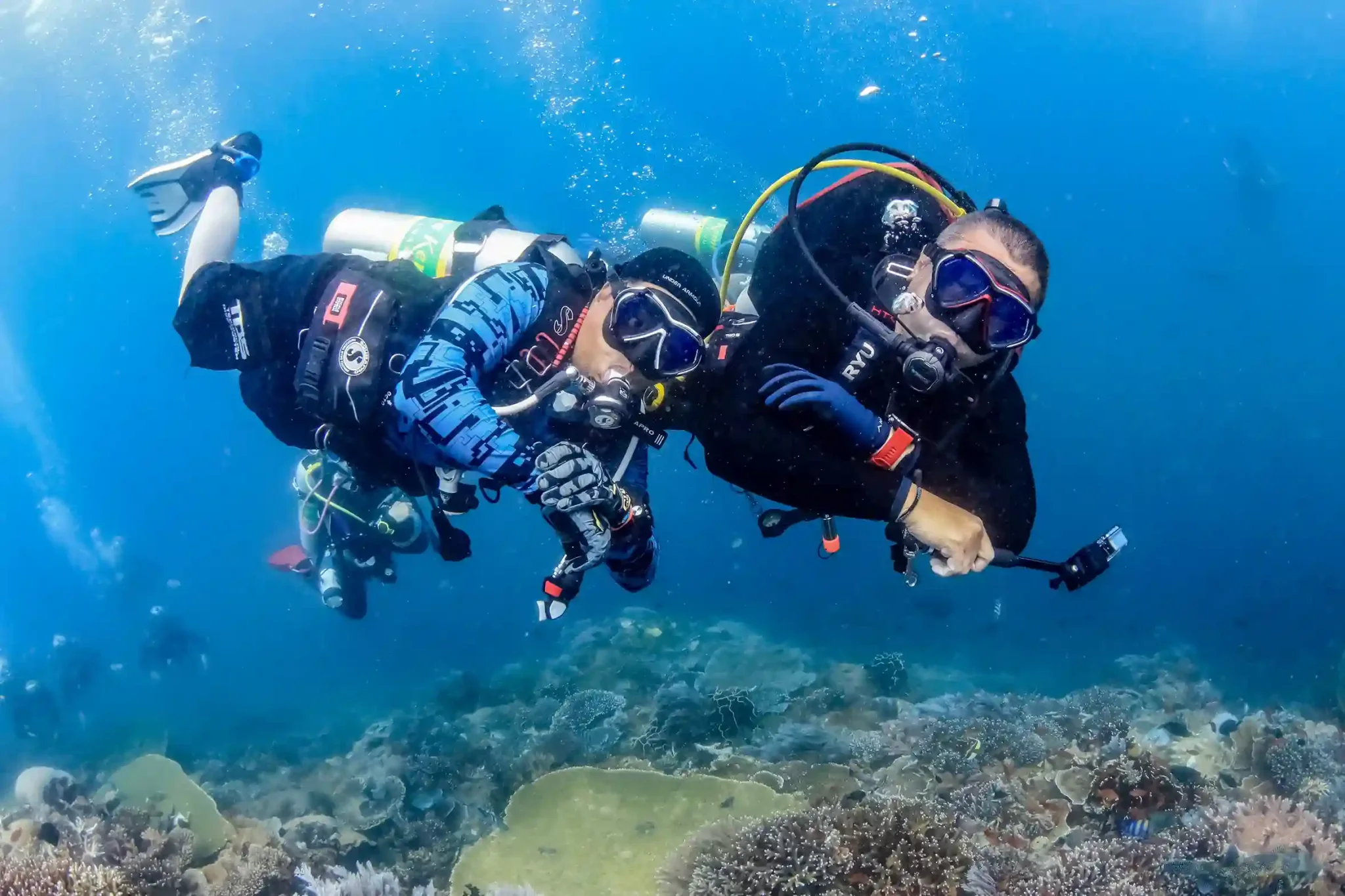
- It prioritizes extended, multi-day encounters with whale sharks in Kwatisore for optimal natural light shooting.
- The route includes historically significant WWII wrecks near Manokwari, offering unique wide-angle and macro subjects.
- It dedicates time to the remote coral gardens of the Auri Islands, known for endemic species and pristine reefs.
The Photographer’s Blueprint for Papua’s Last Frontier
The pre-dawn air is thick with the scent of clove cigarettes and damp earth, a uniquely Indonesian perfume. On the deck of the phinisi, my camera housing, meticulously assembled the night before, catches the first sliver of magenta light breaking over the jungle-clad hills of West Papua. Below the tranquil surface of the bay, a world awakens. This is not a vacation; it’s a photographic assignment. For the serious underwater image-maker, Teluk Cenderawasih is not just another pin on the map. It’s a complex, rewarding puzzle, and the sequence in which you dive its key locations is the difference between a good trip and a portfolio-defining expedition. After several trips and long conversations with the region’s most seasoned dive guides, I’ve mapped out what I consider the definitive route for photographers aiming to capture the full, magnificent scope of this bay.
Charting the Course: Why This Route is Unparalleled for Photographers
Most liveaboards ply a course between Manokwari and Nabire, the two primary entry points to the vast marine park. While some itineraries run in reverse, I advocate for a Manokwari-to-Nabire route, specifically for photographic reasons. Starting in the north allows you to tackle the deep, technically demanding WWII wrecks first, while your focus is sharp and your nitrogen loading is at its baseline for the trip. This 11-day, 10-night plan methodically builds from structured, artificial reefs to the wide-open, unpredictable theater of the whale sharks, and finally to the delicate, macro-rich reefs in the south. This progression allows a photographer to cycle through different lens systems—wide-angle for wrecks, fisheye for the sharks, and macro for the endemics—without feeling rushed. The bay itself is a geological anomaly, a 59,000-square-kilometer body of water that was largely isolated during periods of lower sea levels. This isolation, as confirmed by conservation biologist Dr. Gerald R. Allen, has fostered an astonishing level of endemism. We’re talking about a place where many of the fish species seen on a single dive exist nowhere else on Earth. The typical cost for a premium liveaboard executing this specific teluk cenderawasih diving route ranges from $6,000 to $9,000, an investment in unparalleled access and photographic potential.
Days 1-3: Manokwari’s Ghosts – Mastering Wreck Photography
Your journey begins in Manokwari, a city with a deep and turbulent history from the Pacific War. The seabed here is a museum. Our first subject is the P-47D Thunderbolt, known locally as the “Cross Wreck.” It sits in just 18 meters of water, making it a perfect checkout dive and an excellent canvas for experimenting with ambient light and strobes. The cockpit is intact, and the plane is now an artificial reef for lionfish and glassfish. The real challenge, however, is the Shinwa Maru, a 120-meter Japanese freighter. She sits perfectly upright, with her deck starting at 24 meters. Capturing her scale requires a very wide lens (a 16-35mm is ideal) and careful strobe positioning to avoid backscatter. My technique is to descend to the bow, turn off my strobes, and shoot upwards, using the sun to silhouette the immense structure. Then, moving along the deck, I switch to close-focus wide-angle, using dual strobes to illuminate the vibrant soft corals and massive gorgonian sea fans that have claimed the ship’s superstructure over the past 80 years. The holds contain trucks and engine parts, offering endless compositions for the patient photographer. A dive guide I work with, named Andi, has spent over 500 dives on this wreck alone and still finds new subjects, from pygmy seahorses on the railings to ghost pipefish hiding in the crinoids.
Days 4-7: The Main Event – Kwatisore’s Whale Shark Ballet
After the silent, metallic world of the wrecks, the expedition sails south for nearly 24 hours. The destination is the central basin of the bay, near the village of Kwatisore, where a unique phenomenon occurs. Here, local fishermen operate floating fishing platforms called bagans. For generations, the whale sharks of cenderawasih bay have learned to associate these platforms with an easy meal, sipping the small baitfish that slip from the nets. This is not a baited tourist attraction; it is a long-standing symbiotic relationship that photographers can document. The result is unprecedented access. Unlike in other parts of the world where encounters are fleeting, here you can spend hours in the water with up to a dozen sharks. My preferred lens is an 8-15mm fisheye, which allows me to get incredibly close and capture the entire animal in the frame, often with the sun and the underbelly of the bagan in the same shot. The key is to stay near the surface, between 3 and 10 meters, where the light is best. I set my camera to a high shutter speed (1/200s or faster) to freeze the motion and a mid-range aperture (f/8-f/11) for sharpness. The resident population here is scientifically significant; a 2015 study found that over 95% of the 100+ identified individuals are juvenile males, a demographic not seen anywhere else. It’s a truly singular photographic opportunity.
Days 8-10: The Auri and Purup Islands – A Macro and Endemic Hunt
The final phase of this ultimate teluk cenderawasih diving route shifts the focus from grand to granular. We leave the whale sharks behind and motor to the remote Auri and Purup island chains. Here, the underwater topography changes to sloping coral gardens and dramatic walls. This is where you trade your fisheye for a 100mm macro lens. These reefs are the epicenter of the bay’s endemism. The prize for many photographers is capturing the Cenderawasih Walking Shark (Hemiscyllium galei), a species that uses its pectoral fins to “walk” across the seabed. They are nocturnal, so the best opportunities come during sunset or night dives on shallow reef flats, often in less than 5 meters of water. Finding one requires a guide with an expert eye. Other endemic targets include the vividly colored Cenderawasih Fairy Wrasse and the dottyback, Pseudochromis cenderawasih. The coral health here, within the protected boundaries of the Teluk Cenderawasih National Park, is remarkable. On a single dive at a site called “Tanjung Ayami,” I spent 70 minutes shooting flamboyant cuttlefish, ornate ghost pipefish, and a half-dozen species of nudibranchs, all within a 10-square-meter area. This part of the journey is about patience and appreciating the intricate details that make this bay a biological treasure, recognized for its unique biodiversity, which contributes to its potential consideration for UNESCO World Heritage status.
The Photographer’s Gear Locker: What to Pack for This Route
Success on this route is as much about preparation as it is about skill. Your equipment choices are critical in such a remote location. I travel with two camera bodies, typically full-frame mirrorless models like a Sony A1 or Canon R5, for their superior low-light performance and electronic viewfinders. For lenses, the trinity is non-negotiable: a quality fisheye zoom (like the Canon 8-15mm), a rectilinear wide-angle zoom (16-35mm f/4), and a dedicated macro lens (100mm or 105mm). This combination covers every subject you will encounter. Lighting is paramount. A pair of powerful strobes, like the Inon Z-330 or Sea & Sea YS-D3, are essential for illuminating the dark interiors of wrecks and providing fill-light for the whale sharks. For the macro portion of the trip, I also pack a snoot—a device that narrows the strobe beam—to create dramatic, black-background portraits of small critters. Logistically, redundancy is your best friend. Pack spare batteries, chargers, o-rings, and at least two sync cords. A complete professional rig for this trip, including housing, ports, arms, and strobes, can easily exceed 25 kilograms. It’s crucial to check airline baggage allowances, particularly for the domestic flights into Manokwari (MKW), and consider purchasing an additional baggage allowance in advance.
Quick FAQ: Your Cenderawasih Photography Questions Answered
What is the best time of year for this diving route?
The bay’s geography makes it accessible year-round, a major advantage over other Indonesian destinations. However, for the calmest surface conditions and consistently clear water, the period from June through October is generally considered optimal. The whale sharks are present 365 days a year.
Is a liveaboard the only way to dive this route?
For a photographer looking to cover the key sites from Manokwari to Kwatisore and the southern islands, a liveaboard is the only practical choice. The distances are immense—it’s over 150 kilometers from Nabire to the bagans. There are no land-based operations that can cover this geographic scope.
What experience level is required?
An Advanced Open Water certification with a minimum of 50 logged dives is the standard requirement for most reputable liveaboards. While currents are generally mild, proficiency in buoyancy is critical for navigating the wrecks and for respectfully approaching marine life without making contact.
Are there specific park fees I should know about?
Yes. The Teluk Cenderawasih National Park requires an entrance permit, which costs IDR 1,000,000 (approximately $65 USD) per person for foreign visitors. This fee is valid for the duration of your trip and is almost always collected by your liveaboard operator and paid on your behalf for convenience.
This journey is more than a series of dives; it’s a narrative arc. It begins with the ghosts of human history and ends with the celebration of unique, living jewels. It challenges you to master every aspect of underwater photography, from the grand scale of a sunken ship to the minute detail of an endemic goby. The images you bring back will tell the story of one of the planet’s most extraordinary marine ecosystems. The currents of opportunity in West Papua wait for no one. To begin charting your own photographic journey through the unparalleled waters of Cenderawasih Bay, explore our curated expeditions and connect with our specialists today.