- Liveaboard Charter: The primary expense, ranging from $450 to $900 per night.
- Flights & Transfers: International and domestic airfare can add $1,500 to $2,500.
- Park Fees & Gratuities: Budget an additional $400 to $800 for permits, tips, and incidentals.
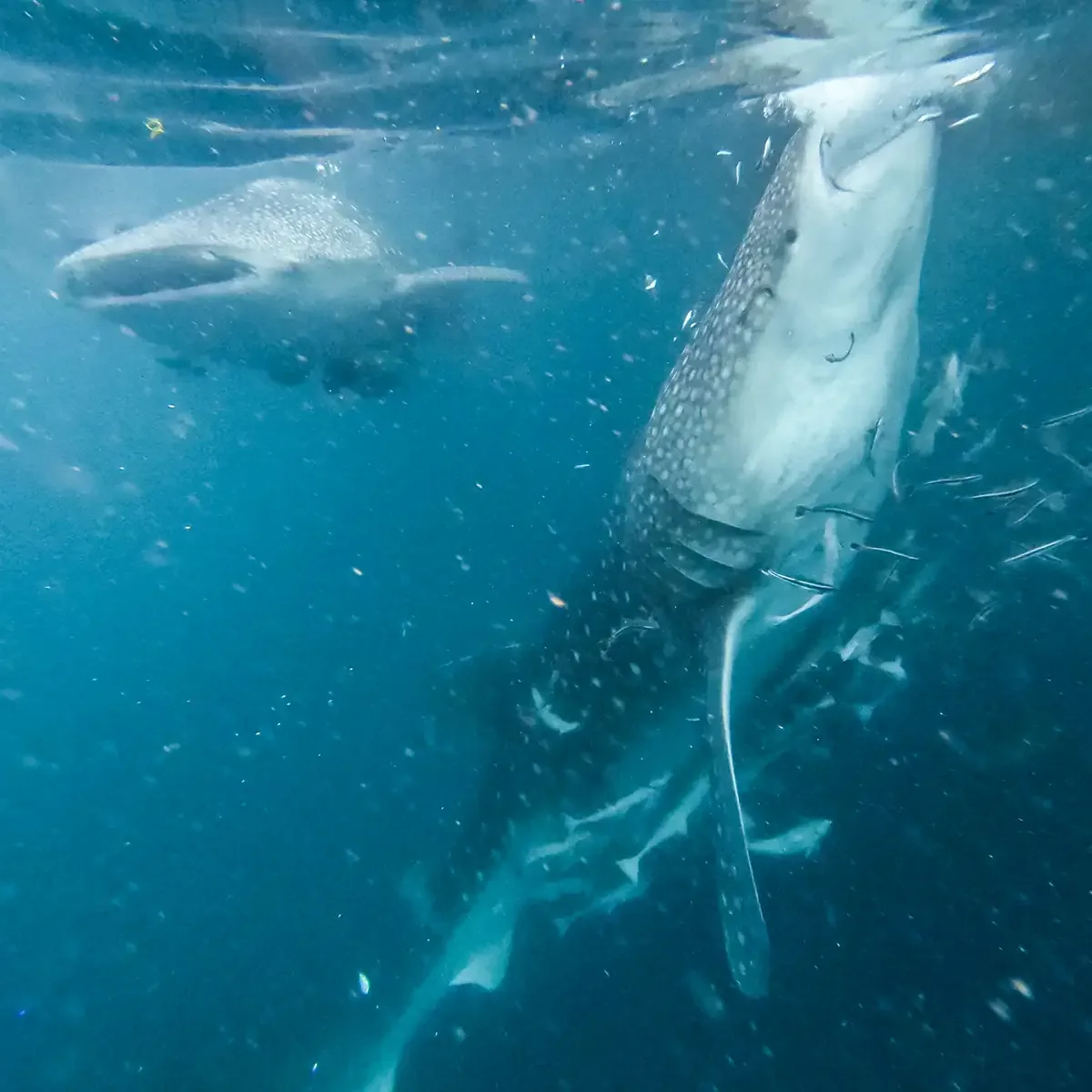
The water is a placid, impossible shade of turquoise, the surface shimmering under the equatorial sun. Below your mask, the world dissolves into a deep, hazy blue. Then, a shadow emerges from the depths. It is not just a shadow; it is a moving constellation, a galaxy of white spots on a vast, grey flank. The whale shark, the largest fish in the ocean, glides past, its cavernous mouth agape. You are not just observing; you are a temporary satellite in its silent, majestic orbit. This is the singular magic of the cenderawasih bay experience, an encounter that transcends wildlife viewing and becomes something elemental. But accessing this remote corner of West Papua requires meticulous planning and a clear understanding of the investment involved. Here, we deconstruct the complete cost, from the international flights to the final handshake with your dive guide.
Deconstructing the Core Costs: Liveaboards vs. Land-Based Stays
The fundamental decision that will shape your budget is how you choose to base your expedition. For Cenderawasih Bay, the options are overwhelmingly skewed towards one model: the liveaboard. These floating boutique hotels are the most practical, and frankly, the most effective way to explore this vast 14,535-square-kilometer marine park. A typical 8-day/7-night or 11-day/10-night liveaboard charter is an all-inclusive affair, with prices generally starting around $4,800 and ascending to $9,000+ per person. This fee typically covers your accommodation in a private cabin, all meals prepared by an onboard chef, diving services including tanks and weights, and excursions. The price differential reflects the vessel’s luxury level—think en-suite bathrooms with hot water, dedicated camera facilities, and guest-to-guide ratios as low as 4:1.
Land-based options, while theoretically possible, are logistically formidable and rare for international visitors. The primary entry towns of Nabire and Manokwari have limited tourist infrastructure. Arranging daily boat charters to the remote fishing platforms, or bagans, where the whale sharks congregate, would be a complex and costly endeavor. You would need to source a reliable boat and captain, a dive guide, and all necessary equipment, with daily costs easily exceeding $800-$1,200 before accommodation and food. According to expedition leader Jonas Bryssinck, who has charted these waters for over a decade, “The liveaboard model isn’t just about comfort; it’s about efficiency. We can move with the conditions and follow intel on the bagans overnight. A land-based trip would spend half its time just getting to the sites.” For a seamless and comprehensive Cenderawasih whale shark experience, the liveaboard remains the undisputed, value-driven choice.
The Price of Access: Flights and Transfers to West Papua
Reaching Cenderawasih Bay is a journey in itself and constitutes a significant portion of the overall budget. There are no direct international flights into West Papua’s regional airports. The typical traveler’s route involves a multi-leg itinerary. First, an international flight into one of Indonesia’s major hubs, either Jakarta’s Soekarno-Hatta International Airport (CGK) or Denpasar’s Ngurah Rai International Airport (DPS). Expect to invest between $1,200 and $2,200 for a round-trip ticket from North America or Europe. From there, you will need at least one, often two, domestic flights to reach the liveaboard’s port of embarkation. The most common entry points are Nabire (NBX) and Manokwari (MKW).
The domestic leg usually routes through a secondary hub like Makassar (UPG) or Sorong (SOQ). Airlines like Garuda Indonesia, Lion Air, and its subsidiary Wings Air service these routes. Budget approximately $500 to $900 for these round-trip domestic flights. It is crucial to pay close attention to baggage allowances, which can be significantly lower on the smaller ATR aircraft flying into Nabire, often capped at just 10-15kg for checked luggage. Excess baggage fees can be steep, sometimes $5-$10 per kilogram. Most high-end liveaboard operators will have this process streamlined, advising on the best flight paths and often arranging airport transfers to the harbor, a service whose value cannot be overstated after 24+ hours of travel. We recommend booking flights at least 6-9 months in advance, as domestic Indonesian flight prices can fluctuate dramatically.
National Park Fees, Gratuities, and On-the-Ground Expenses
Beyond the primary costs of your liveaboard and flights, a series of smaller but mandatory expenses must be factored into your financial planning. The most important of these is the Cenderawasih Bay National Park entrance fee. As a protected marine area and a site on UNESCO’s Tentative World Heritage List, access is regulated. The “Kartu Masuk” (entry ticket) currently costs IDR 1,000,000 per person, which is approximately $65 USD, and is valid for the duration of your trip. This fee is usually collected by your liveaboard operator prior to the trip and paid directly to the park authorities.
Another unique cost is the contribution for the ikan puri, or small baitfish, that the local fishermen use. The whale sharks are drawn to the fishing platforms (bagans) to feed on the fish that slip through the nets. To ensure a respectful and reliable interaction, liveaboard guides will purchase a supply of these fish from the fishermen to offer the sharks. This gesture supports the local community and enhances the experience. While often handled by the operator, it’s wise to clarify if this is included or if a separate cash contribution of around $50-$100 per group is expected. Finally, gratuities for the liveaboard crew are a significant consideration. The industry standard is 5-10% of the total charter price, paid in cash at the trip’s conclusion. For a $7,000 trip, this equates to $350-$700 per guest. This amount is typically distributed among the entire 15-20 person crew, from the captain to the engine room staff who make the journey possible.
Choosing Your Vessel: A Spectrum of Luxury and Cost
Not all liveaboards are created equal, and the vessel you choose is the single largest variable in the cost of your Cenderawasih whale shark experience. The fleet operating in Indonesian waters ranges from more functional, diver-focused boats to opulent, custom-built yachts that rival five-star hotels. At the more accessible end of the spectrum, you will find vessels, often traditional Indonesian phinisis, priced around $450-$550 per person, per night. These offer comfortable, clean cabins, usually with en-suite bathrooms, and a communal dining and relaxation area. The dive operations are safe and professional, but the overall experience is more streamlined.
At the premium end, with rates from $700 to over $1,000 per person, per night, the experience is elevated considerably. These world-class yachts may feature private balconies, sprawling suites, onboard massage services, and gourmet, multi-course meals with wine pairings. The dive facilities are state-of-the-art, with dedicated camera rooms, multiple gear-up stations, and often complimentary Nitrox for certified divers. The service is exceptionally personal, with guest-to-staff ratios approaching 1:1. As noted by luxury travel advisor Sarah Halten, “For our clients, it’s not just about seeing the whale sharks. It’s about the quality of the entire journey. They want the space, the privacy, and the assurance that every detail, from the thread count of the sheets to the expertise of the marine biologist on board, is top-tier.” The higher price tag buys not just luxury, but a seamless, curated, and deeply comfortable expedition into one of the planet’s most remote marine environments.
The “Shoulder Season” Myth: Pricing in a Year-Round Destination
One of the most remarkable aspects of Cenderawasih Bay is the resident, non-migratory population of whale sharks, making it a viable destination 365 days a year. Unlike other global hotspots that are strictly seasonal, you can reliably find sharks here any month you visit. However, this year-round access does not translate to flat, year-round pricing. The cost of a trip is heavily influenced by the seasonal movements of the liveaboard fleet across the Indonesian archipelago, particularly in relation to the popular Raja Ampat region just 500 kilometers to the east.
The peak season for Raja Ampat runs from approximately October through April, when the seas are calmest there. The most sought-after, high-end liveaboards command their highest prices during this period and will often schedule their Cenderawasih itineraries to align with this window, creating a de facto “high season” pricing structure. During the months of May through September, when conditions are less favorable in Raja Ampat, some of these vessels may relocate to other areas like Komodo, while others remain and may offer slightly more competitive pricing for Cenderawasih. These “transition” months can represent a good value, offering the same incredible whale shark encounters with potentially fewer boats in the bay. According to the official Indonesian tourism board, the weather in the bay itself is relatively stable year-round, sheltered by the Papuan mainland. Therefore, a savvy traveler can leverage this operational seasonality to their advantage, securing a world-class experience without necessarily paying the absolute peak-season premium.
Quick FAQ: Your Cenderawasih Whale Shark Experience Costs Answered
Is comprehensive travel insurance required for this trip?
Absolutely. Virtually all reputable liveaboard operators will require proof of a comprehensive policy as a condition of booking. Your insurance must include medical evacuation coverage (with a minimum of $200,000), trip cancellation/interruption, and coverage for diving-related incidents, including access to a hyperbaric chamber. Expect to pay between $150 and $400 for a policy that meets these requirements.
What are the “hidden” costs I should budget for onboard?
While most essentials are included, be prepared for a few extras. Alcoholic beverages like beer, wine, and spirits are almost always an additional charge. Satellite internet access, if available, is sold in data packages and can be expensive ($50-$100 for a basic plan). Specialized dive courses, such as a Nitrox certification, and rental of specific gear beyond tanks/weights (like a high-performance regulator or dive computer) will also be extra.
Can I use a credit card for onboard payments and tips?
It varies by boat, but you should not rely on it. Due to the extremely remote location, satellite connections for credit card processing are unreliable at best. Plan to bring sufficient cash (crisp, new U.S. dollars are preferred, along with some Indonesian Rupiah) to settle your onboard bill and to pay crew gratuities. A good estimate is to bring $800-$1,200 in cash per person.
Is it possible to visit the whale sharks without diving?
Yes, the experience is equally profound for snorkelers. The whale sharks feed at the surface directly under the bagans, making them perfectly accessible without scuba gear. You can spend hours in the water with them using only a mask, snorkel, and fins. All liveaboard packages cater to both divers and snorkelers, and the price is the same regardless of your activity preference. This is a key feature of the unique Cenderawasih Bay encounter.
The investment in a journey to Cenderawasih Bay is significant, but it is a direct reflection of the logistical complexity and profound rarity of the experience. It is a cost that covers not just a vacation, but a genuine expedition—one that provides unparalleled access to one of the last truly wild marine frontiers on Earth. From the expertise of the crew to the conservation fees that protect the ecosystem, every dollar contributes to a sustainable and unforgettable encounter with the gentle giants of the sea. To begin planning your own intimate journey into these waters, explore our curated expeditions to cenderawasih bay and discover the trip of a lifetime.