Cenderawasih Bay — Cenderawasih Whale Shark Diving Tours 2026:…
Cenderawasih Bay — Cenderawasih Whale Shark Diving Tours 2026:... — practical 2027 guidance for cenderawasihbay.
Quick Answer
Cenderawasih Bay is a curated Indonesia luxury tourism experience offered by : handpicked routes, vetted operators, transparent pricing, and 24/7 concierge support across Indonesia.
By Cenderawasih Bay Guide Editorial Desk — PADI Master Instructor & Komodo Dive Specialist, 22+ years in Indonesia tourism. Reviewed by the PT Juara Holding Group editorial team. Last updated 2026-05-05.
Section 01
Whale Shark Diving Tours in Cenderawasih: 2026 Operator Comparison
The only place on Earth where whale shark encounters happen 365 days a year — honestly compared by operator, rate, and ethical standard.
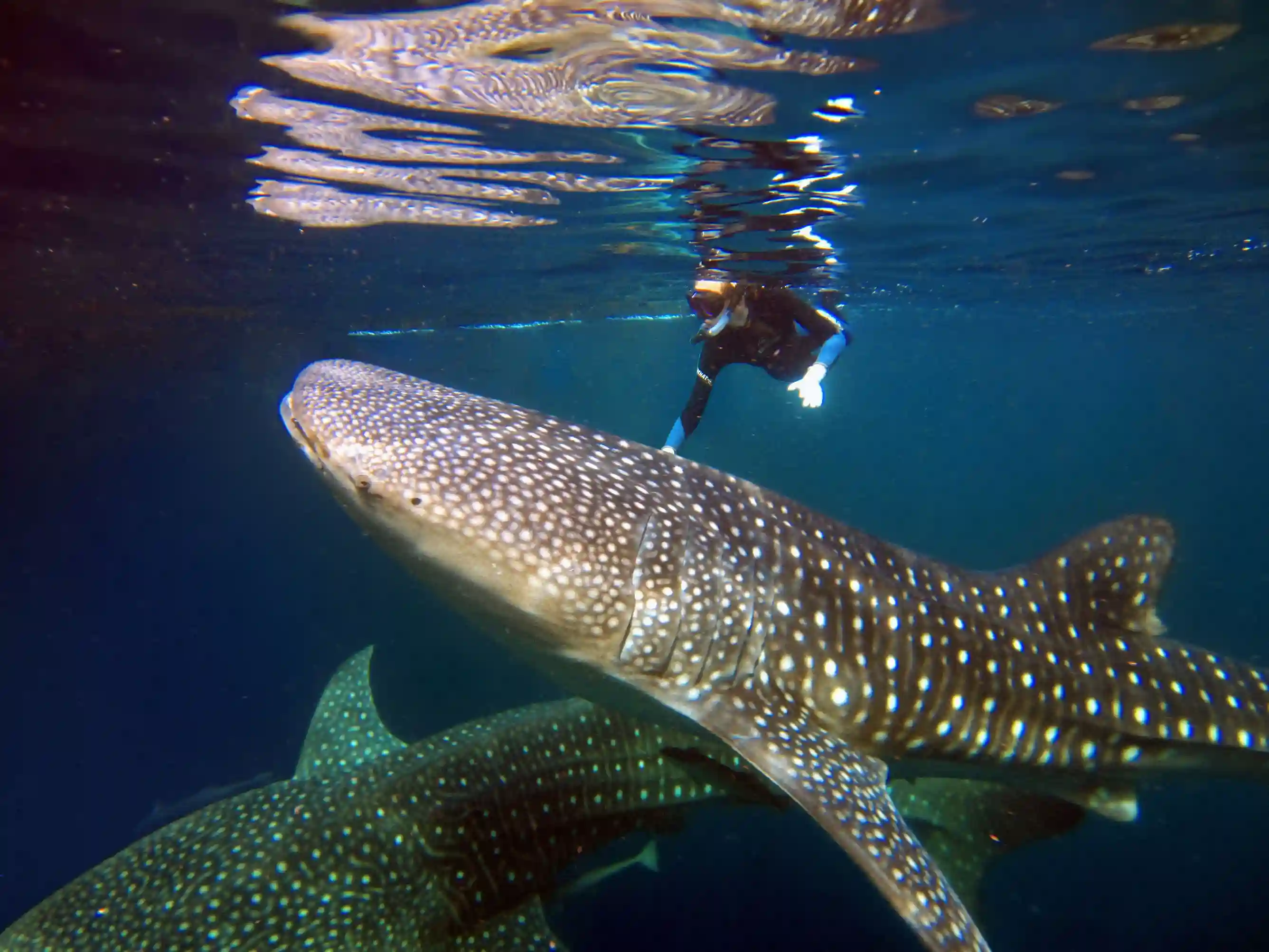
Cenderawasih Bay whale shark diving tours represent one of the most reliable wildlife encounters in modern marine tourism. Unlike Mexico (June-September), the Philippines (November-May), or Western Australia (March-July), Cenderawasih offers year-round whale shark accessibility through a unique system of traditional Indonesian bagan fishing platforms that the resident shark population learned to visit decades before tourism arrived.
This 2026 operator guide covers the certified liveaboards and land-based providers offering Cenderawasih whale shark experiences, current rates, ethical credentials, and how to book without paying inflated agent commissions.
Section 02
How Cenderawasih Whale Shark Tours Actually Work
The core experience involves boarding a small boat at first light, traveling 30-90 minutes to a working bagan fishing platform (Indonesian wooden structures with submerged nets and night-time lights that attract baitfish), and slipping into the water beside the platform where whale sharks routinely come to feed on the small bait fish overflow. Operators provide snorkel gear, guide instruction, and enforce strict ethical guidelines: maximum six swimmers per shark, no touching, no flash photography, no chasing, three-meter minimum distance.
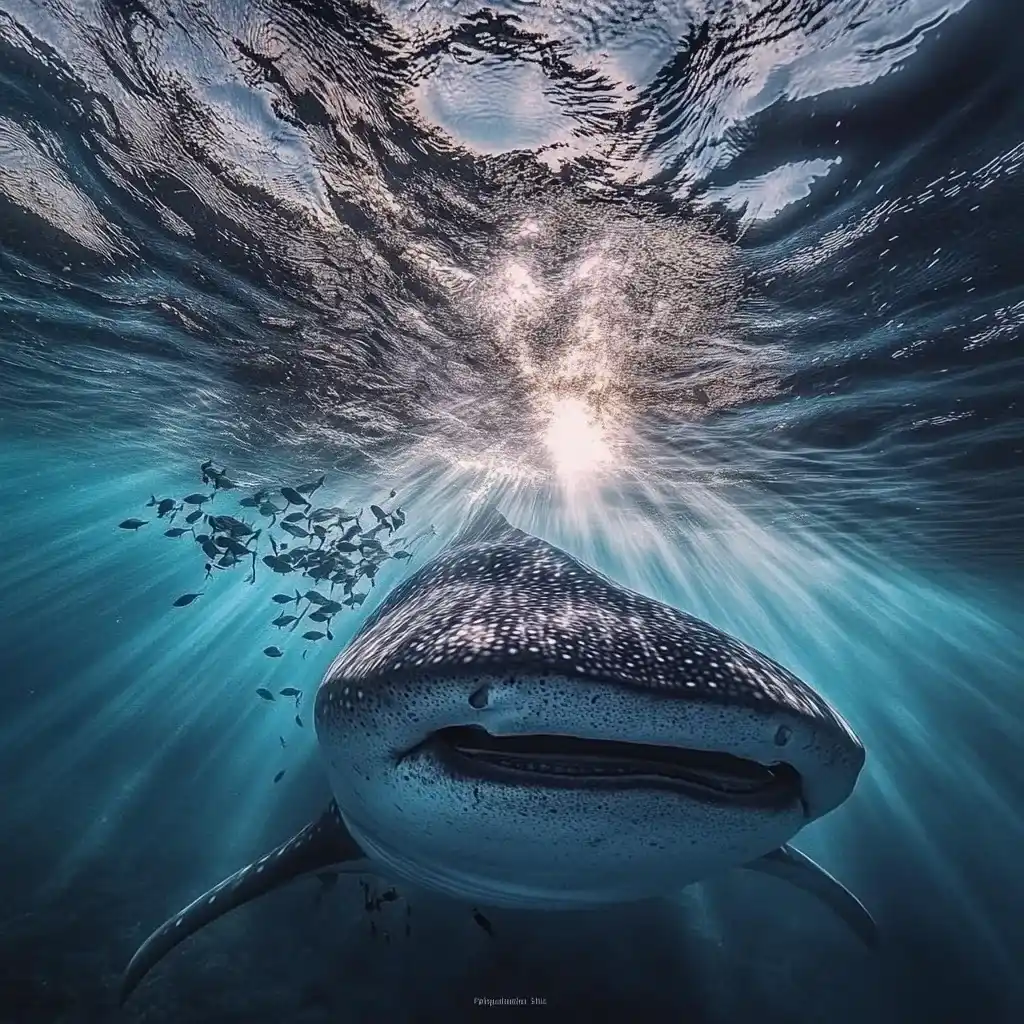
The whale sharks are wild, free-roaming animals choosing to be there for the food — the interaction is not a captive feeding show. Encounter rates exceed 90% on multi-day visits, with most visitors having close encounters with 2-5 different individual sharks over a typical three-day visit.
Liveaboard Operators (7-12 Night Cruises)
MV Mermaid II — Steel-hull 16-passenger expedition boat operating dedicated Cenderawasih and combination Cenderawasih-Raja Ampat itineraries. 7-night Cenderawasih trips: $5,800-7,400 per person. 11-night combo trips: $9,200-11,800. Strong dive operation with two dedicated camera tables, professional photographer onboard for guest photo packages, and consistently positive guest reviews from underwater photographers. Sails primarily April through October.
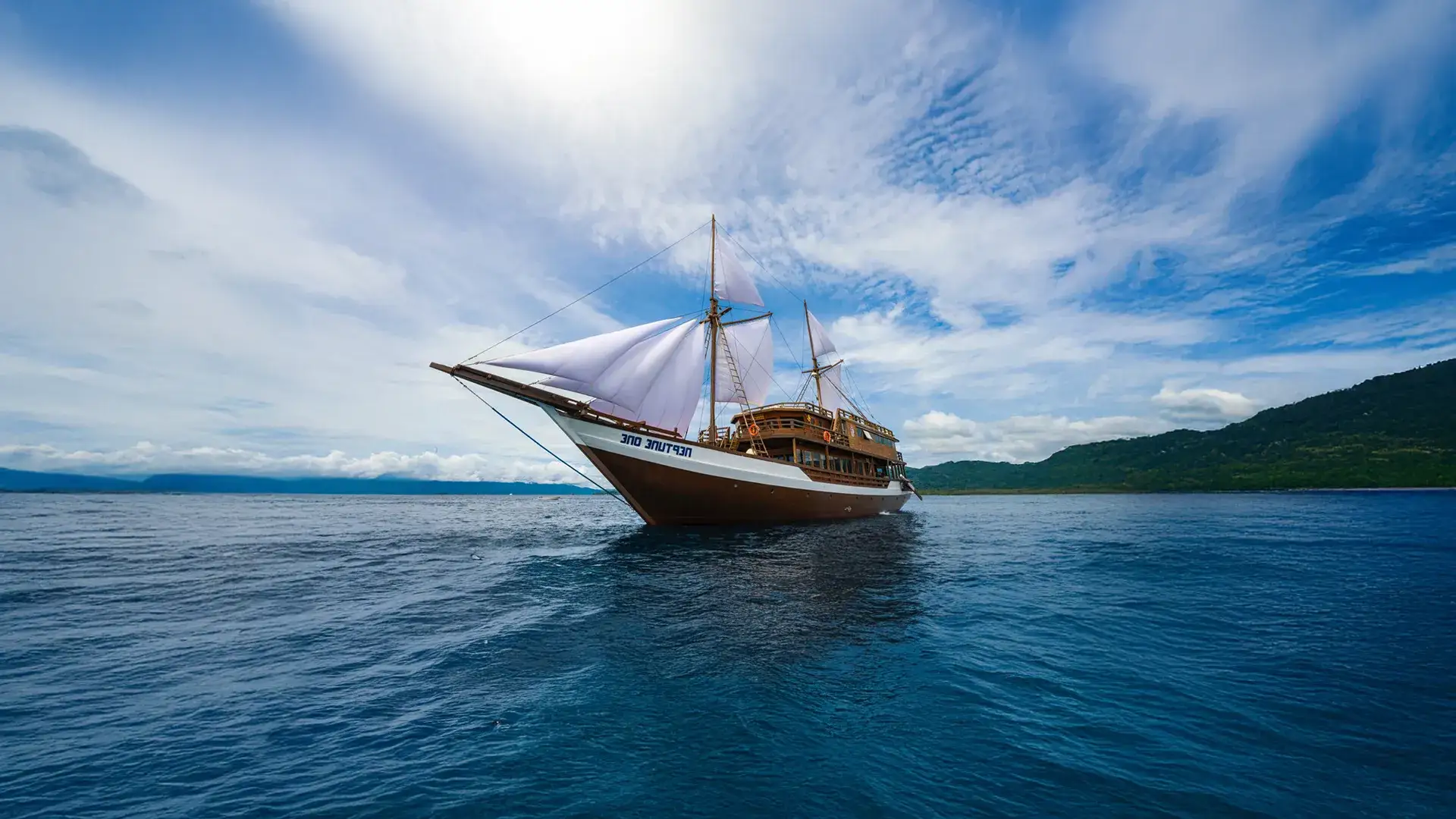
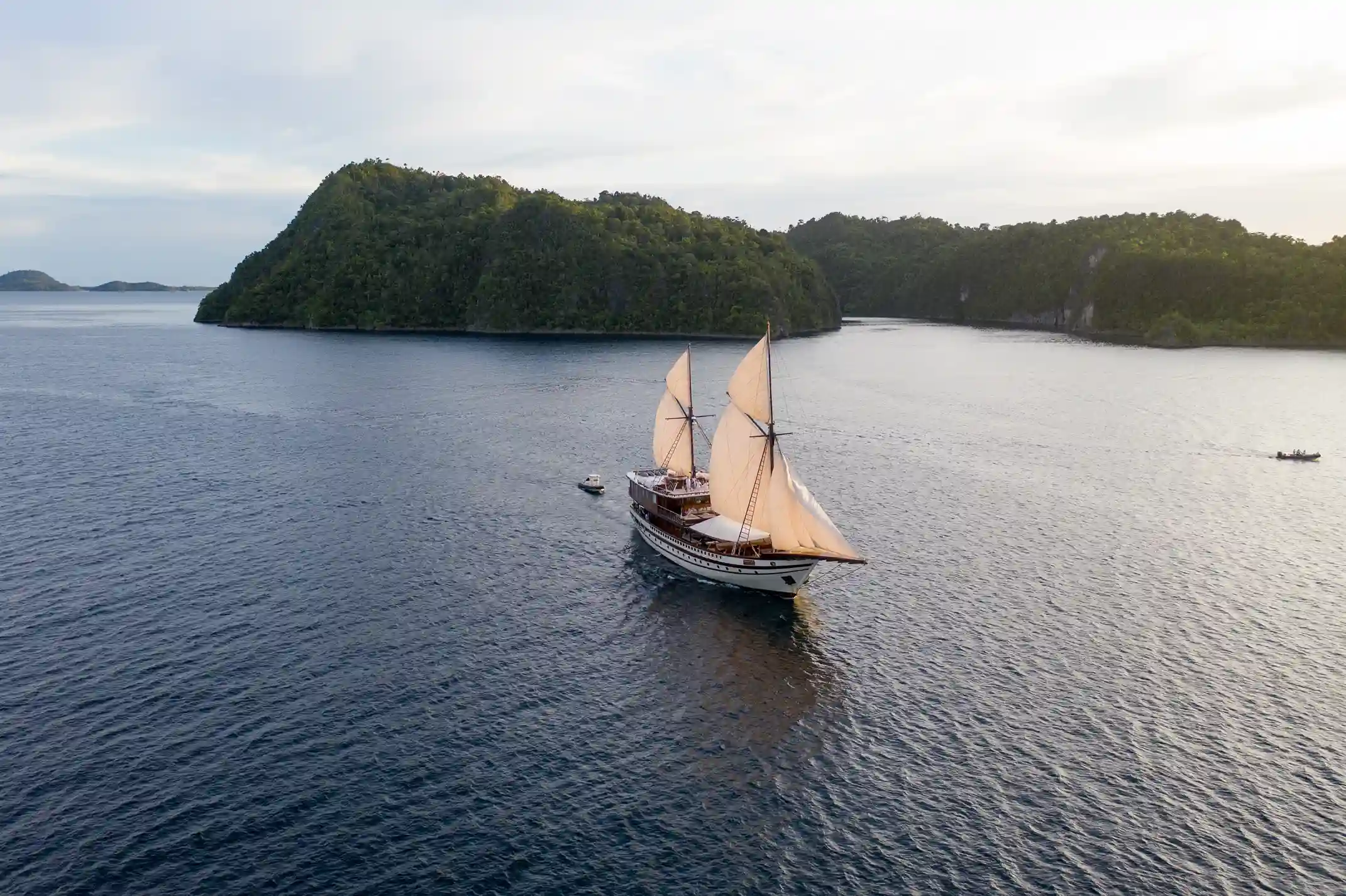
Calico Jack — Traditional 14-passenger phinisi (wooden Indonesian sailing vessel) offering both 8-night Cenderawasih-only and 12-night combination itineraries. Rates: $4,800-6,500 (Cenderawasih-only) or $7,800-9,500 (combination). The phinisi atmosphere is a meaningful differentiator — many photographers prefer this over the steel-hull alternatives. Two dedicated camera-prep tables, dive deck for 12 simultaneous setups, and the highest review score in our 2026 evaluation.
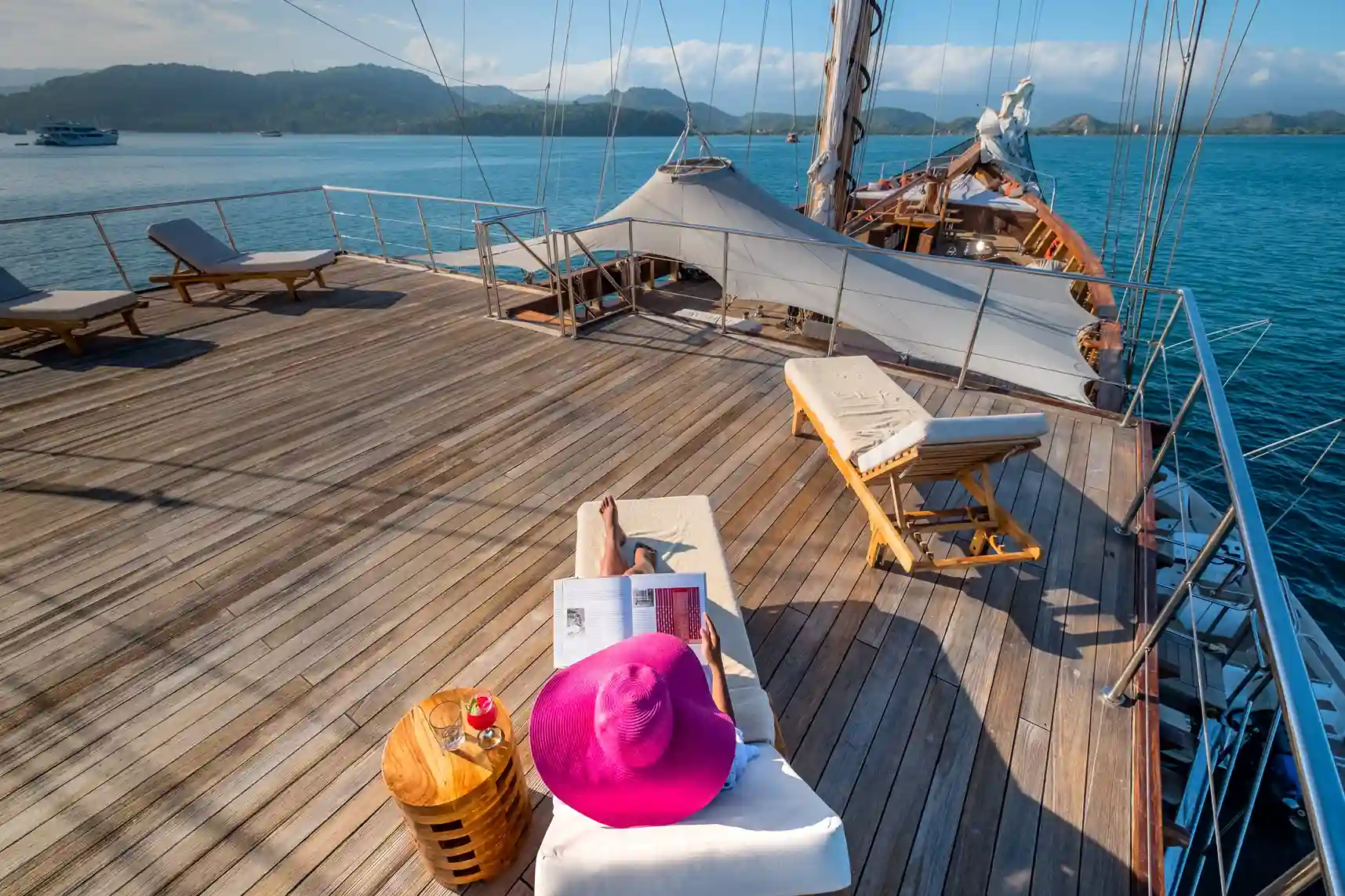
Damai I & II — Premium 12-passenger luxury phinisi running 10-12 night combination Cenderawasih-Raja Ampat trips. $7,200-9,500 per person. Significant honeymoon and premium-traveler clientele. Suite-style cabins with private bathrooms, spa treatments available onboard, organized by long-time Indonesian dive operator with 20+ year track record.
Pelagian (Wakatobi-affiliated) — The most conservation-focused option. 10-passenger expedition vessel running 10-night Cenderawasih-Banda Sea trips. $7,800-9,500 per person. Onboard scientist briefings, identifiable photo-ID conservation participation (your shark photos contribute to the official population database), and connection to the broader Wakatobi research network. Often booked 12+ months ahead.
Section 04
Land-Based Tour Operators (Manokwari/Nabire)
Kwatisore Homestay (Yenbeser-area villages) — The most authentic budget option. Basic Papuan homestays in villages near the bay, $80-150 per person per night including all meals and daily bagan boat trips. Visitors stay in simple wooden houses with shared bathrooms, eat home-cooked Papuan meals, and participate in daily 3-4 hour bagan visits. Best for: budget-conscious travelers, cultural immersion seekers, and those willing to trade comfort for authenticity.
The whale shark experience is identical to liveaboard quality — the difference is in accommodation comfort, not wildlife encounters.
Cenderawasih Bay Tour Co (Manokwari) — 4-night packages from Manokwari city, $1,200-1,800 per person, including 3-star Manokwari hotel accommodation, three full bagan day trips, transfers, and meals. Best for: short-trip travelers, solo female travelers preferring hotel security, and visitors combining Cenderawasih with broader Papua exploration.
Papua Diving Adventures (Nabire) — 6-night combination packages, $2,200-3,200 per person, including hotel, dedicated dive boat, four bagan visits, and two reef dives at Pulau Roon. Best for: divers wanting reef experience plus whale sharks, photographers wanting both pelagic and reef opportunities.
Section 05
2026 Rates Comparison Summary
Liveaboard 7-night Cenderawasih only:
$4,800-7,400 per person
Liveaboard 10-12 night combination Cenderawasih+Raja Ampat:
$7,200-15,500 per person
Land-based homestay 4-7 nights:
$800-1,800 per person
Premium combo Manokwari+Nabire 6 nights:
$2,200-3,200 per person
International flights to Manokwari from US/EU:
add $1,400-2,800 per person round trip
Tipping crew (liveaboards):
5-10% of base rate, paid in cash USD
Single supplement (solo travelers):
typically +30% on liveaboard rates
Ethical Standards: What to Look for in an Operator
Not all whale shark operators are equally responsible. Before booking a Cenderawasih tour, verify the operator follows the IUCN Whale Shark Specialist Group guidelines: maximum 6 swimmers per shark in the water, mandatory 3-meter minimum distance maintained at all times, no touching ever (the sharks have a delicate mucous coating that protects against bacterial infection), no flash photography, no scuba within 3 meters of feeding sharks, and no use of motorized propulsion (DPV scooters) within the encounter zone.
Reputable operators publish these guidelines on their websites and brief all guests pre-trip. Operators that prioritize “more shark contact” over guideline enforcement are red flags. Avoid any operator that promises touching encounters or unlimited shark time.
Section 07
Best Time to Book a Cenderawasih Tour
Whale sharks are present year-round in the bay, so seasonality affects operator availability and weather conditions rather than wildlife encounters. April through October is the optimal window: calm seas, 20-30 meter visibility, full operator schedules. November through March brings choppier conditions, slightly reduced visibility (12-20 meters), and some operator schedule gaps, but lower rates (15-25% off peak season) for budget-flexible travelers.
The Pulau Mioswar manta cleaning station is at peak activity October through March, making winter trips appealing for those wanting both whale sharks and mantas in the same trip.
How to Book Without Inflated Commissions
Most Cenderawasih operators accept both direct bookings and bookings through specialized dive travel agencies. Direct booking with the operator typically saves 10-15% versus US/EU agency markup. However, a quality agency adds value when (a) you need help coordinating international flights and visa logistics, (b) you want to combine Cenderawasih with other Indonesian destinations in a single itinerary, or (c) you prefer to deal in your home currency rather than USD.
For solo travelers and short trips, direct booking is most economical. For complex multi-destination itineraries, work with a specialized Indonesia dive agency.
Plan Your Cenderawasih Bay Trip
Custom liveaboard reservations, ethical operator guidance, complete trip planning by our Indonesia luxury travel specialists.
Field Plates
From the bay
Photographs from the Kwatisore watch — the platforms, the approach and the boats that work them.